
How to Get a Nail Salon License in Texas
Texas Salon Licensing Guide

How to Get a Nail Salon License in Texas

Opening a nail salon in Texas requires the right TDLR establishment license, compliant facilities, required sanitation equipment, and properly licensed professionals. This guide explains the core steps salon owners should prepare before opening.

TDLR-approved CE Provider #2501
Texas-focused licensing help
Online renewal education
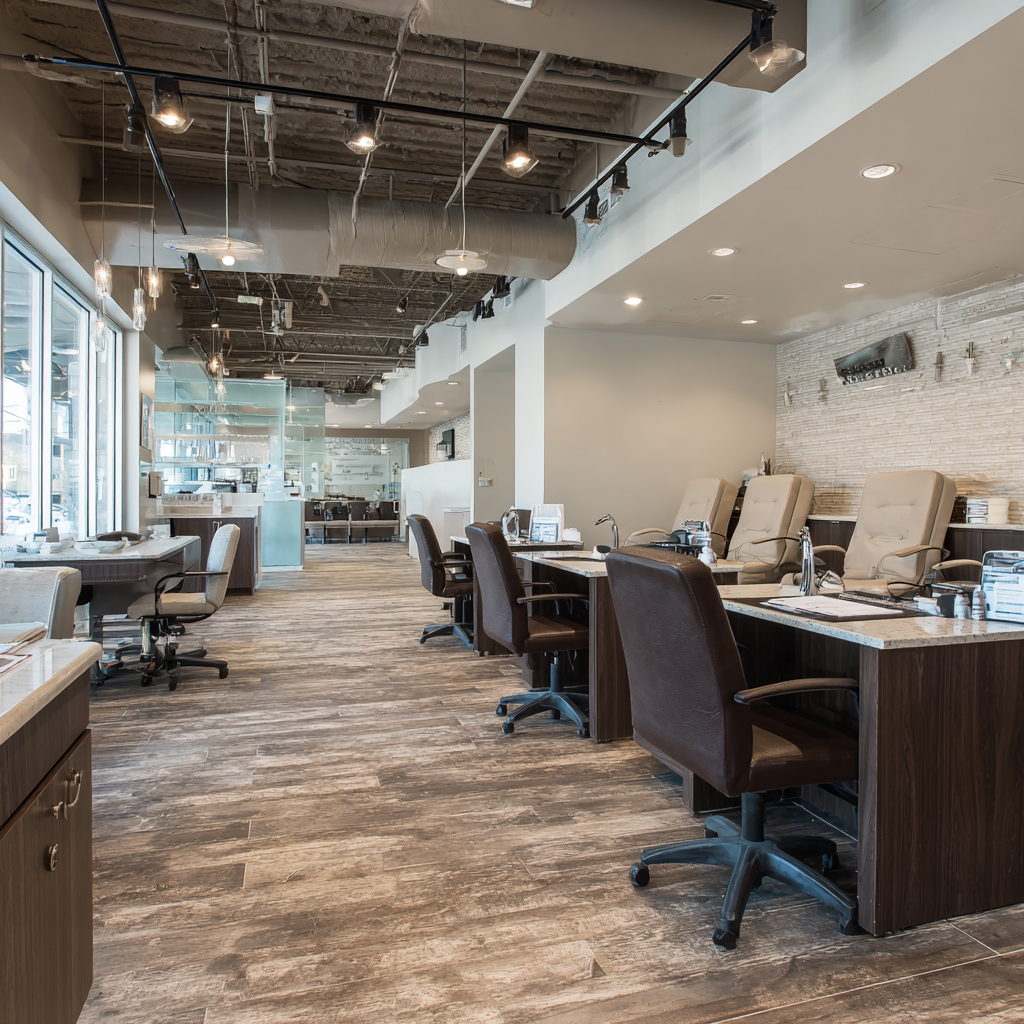
Texas nail salon reception area prepared for TDLR licensing

Quick answer: Yes. A Texas nail salon generally needs a TDLR barbering and cosmetology establishment license or specialty establishment license before offering regulated nail services. The salon must also meet health, safety, equipment, signage, and inspection requirements.

License Basics

Nail Salon License vs. Nail Technician License

A nail salon license and an individual nail technician license are not the same thing. A nail salon license applies to the business location or establishment. An individual license applies to the person performing regulated nail services such as manicures, pedicures, and artificial nail services.

That distinction matters because a salon owner may need to manage both sides of compliance. The premises must be properly licensed, and each professional performing services must hold the appropriate Texas license for the services provided.

For individual licensing information, review this guide on how to become a nail tech in Texas and this related overview of getting a nails license in Texas.

Best practice: verify establishment licensing and individual practitioner licensing before advertising services, hiring employees, or leasing booth space.
Application Steps

How to Apply for a Texas Nail Salon License

The licensing process starts with selecting the correct TDLR establishment category. TDLR lists options such as establishment license, specialty establishment license, mini-establishment license, and separate mobile establishment applications. The right category depends on the business model, location, services offered, and whether the salon will lease space to individual practitioners or mini-establishments.

Before submitting the application, salon owners should gather business ownership information, define the service menu, confirm the premises can meet facility requirements, and prepare the required application fee. Establishment and specialty establishment applications are commonly listed with a $78 fee, while mini-establishments are listed separately.

Owners should also track the expiration date after the license is issued. Texas cosmetology establishment licenses are generally valid for two years from the date of issue, so renewal planning should begin well before the deadline.

Facility & Equipment

Prepare the Salon for TDLR Requirements

A compliant nail salon needs more than workstations and polish displays. TDLR establishment requirements address clean and well-maintained facilities, hot and cold running water, restroom access, sanitation equipment, clean storage, covered trash containers, and adequate ventilation.

For nail services, manicure establishments should have manicure stations with sufficient lighting, a chair or stool for each professional, and a client chair for each manicure station. Establishments offering manicure or pedicure services should also prepare the required sterilization or sanitizing equipment.

These requirements should be addressed before opening day. A salon that looks finished from a customer perspective may still be missing compliance items that matter during inspection.

Ongoing Compliance

Stay Inspection-Ready After Opening

Licensing is not a one-time task. TDLR may inspect establishments and practitioners, and violations can affect both individual license holders and establishment owners. A salon should have a practical compliance system for verifying licenses, maintaining sanitation supplies, checking equipment, documenting cleaning routines, and keeping required notices visible.

Salon owners should also make sure employees and booth renters understand the difference between individual licensing and establishment licensing. Anyone planning to perform nail services should review the requirements for becoming licensed before working with clients. A helpful starting point is this guide on how to become a nail tech in Texas.

For home-based or residence-attached salons, owners should be especially careful. Licensed premises may not be used for living or sleeping purposes, and an establishment attached to a residence generally needs a separate entrance and separation from residential areas during business hours.

Common Questions

Texas Nail Salon License FAQ

How much is a nail salon license in Texas?
TDLR commonly lists the application fee for an establishment license and specialty establishment license as $78. A mini-establishment license is commonly listed at $70. Fees can change, so applicants should verify the current amount with TDLR before applying.
Is a nail salon license the same as a nail technician license in Texas?
No. A nail salon license applies to the business establishment, while a nail technician or manicurist license applies to the individual performing regulated nail services. Readers who need individual licensing information should review this guide to getting a nails license in Texas.
Does every nail tech in the salon need a license?
Yes. A person performing regulated nail services should hold the appropriate Texas license. Salon owners should verify employee, contractor, and booth-renter licensing before services are performed.
What equipment does a Texas nail salon need?
A Texas nail salon should prepare manicure stations, professional and client seating, disinfectant soaking containers, clean storage, covered trash containers, hot and cold running water, restroom access, ventilation, and required sanitizer or sterilizer equipment for manicure or pedicure services.
How long is a Texas nail salon license valid?
Texas cosmetology establishment licenses are generally valid for two years from the date of issue. Salon owners should track renewal deadlines and update compliance materials before expiration.
Can a nail salon rent booths to independent contractors?
Yes, but booth rental and mini-establishment arrangements have specific TDLR rules. The salon should confirm that each practitioner or mini-establishment is properly licensed and that the business maintains any required contractor or leasing documentation.
Renewal Education

Need Texas Cosmetology Continuing Education?

Texas Cosmetology License Renewals is a TDLR-approved continuing education provider, Provider #2501. Eligible Texas cosmetology professionals can complete CE online and keep renewal preparation simple.

TDLR-approved Provider #2501
Online course access
Texas license renewal focused
Fast, simple enrollment