
Texas esthetician career guide

How to Become a Waxer in Texas

A person who wants to work as a professional waxer in Texas generally needs a license that authorizes waxing services, most commonly the Texas Esthetician license. This guide explains the training hours, exams, sanitation expectations, and renewal planning future waxers should understand.

750-hour esthetician path
TDLR license guidance
Renewal CE reminder
Quick Answer

To become a waxer in Texas, most people complete a 750-hour esthetician program, pass the required written and practical exams, apply through TDLR, and maintain renewal requirements. A short waxing certificate alone should not be treated as a replacement for state licensure.
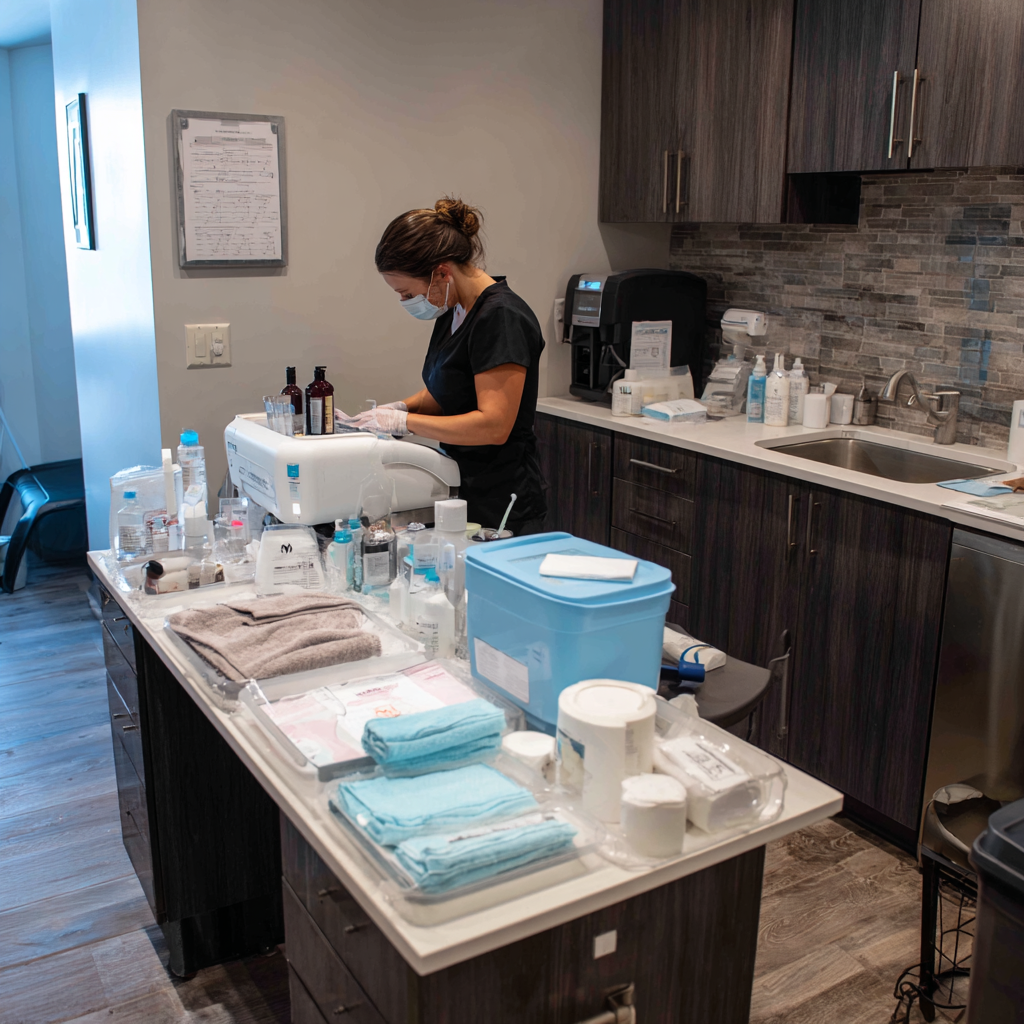
Texas waxer preparing a clean waxing treatment room
Professional waxing starts with compliance. Training, licensure, sanitation, and renewal all matter.
License requirements

What license does a waxer need in Texas?

In Texas, “waxer” is usually a job title rather than the official name of the license. The legal authority to perform waxing services generally comes from a license that includes esthetician services, such as the Texas Esthetician license or Cosmetology Operator license.

The most direct path for a person focused on waxing, skin care, brows, and hair removal is usually the Texas Esthetician license. This route is more targeted than a full cosmetology operator path for someone who does not plan to provide hair, nail, or broader cosmetology services.

Future waxers should avoid relying on informal language such as “waxing license” without confirming the actual TDLR license type. A private waxing certificate or brand-training class may improve technique, but it does not replace state licensing requirements.

Step Requirement Why it matters
1 Choose the right license path Most waxers pursue the Texas Esthetician license because waxing falls within esthetician services.
2 Complete approved training The esthetician path requires 750 hours at a licensed Texas school.
3 Pass exams Applicants must prepare for written and practical licensing exams.
4 Apply through TDLR The state license is what authorizes professional services for paying clients.
5 Maintain renewal CE Licensed professionals must stay compliant after licensure.
1

Enroll in a licensed Texas school

Future waxers usually begin with a TDLR-approved esthetician program. The program should provide practical instruction, sanitation training, and exam preparation.

2

Complete 750 hours

The Texas Esthetician license path requires 750 training hours. Completion time depends on the school schedule and whether the student attends full time or part time.

3

Prepare for written and practical exams

Applicants should study laws, rules, sanitation, infection control, skin-care theory, client safety, and practical procedure setup.

4

Apply and schedule exams

After the application is reviewed and eligibility is issued, applicants can schedule required exams through the approved testing process.

Training path

From esthetician student to licensed waxing professional

The state license creates legal eligibility, but career readiness depends on repeated practice. During school, a future waxer should build confidence with facial waxing, brow shaping, body waxing, client consultation, skin analysis, contraindications, and aftercare education.

Schools vary in schedule, tuition, kit costs, clinic-floor experience, and instructor support. Students should compare programs based on more than price and ask how much hands-on waxing practice is built into the esthetician curriculum.

Practical tip: keep school records, application confirmations, exam notices, and licensing emails organized from the beginning.
Sanitation standards

Waxing requires strict hygiene and safe client handling

Waxing is a close-contact service that may involve sensitive skin, irritation, minor blood spotting, disposable supplies, surface contact, and repeated client turnover. A successful Texas waxer should treat sanitation as a core professional skill rather than an afterthought.

Every workstation should support a clean service flow: clean supplies separated from used items, single-use applicators discarded properly, surfaces cleaned and disinfected, linens handled safely, and client-contact items managed according to health and safety rules.

  • Use single-use items correctly and discard them after service.
  • Clean visible debris before disinfecting non-porous surfaces and tools.
  • Keep clean supplies, used supplies, and waste physically separated.
  • Screen for contraindications before waxing when skin may be compromised.
  • Provide post-wax care instructions to reduce avoidable irritation.
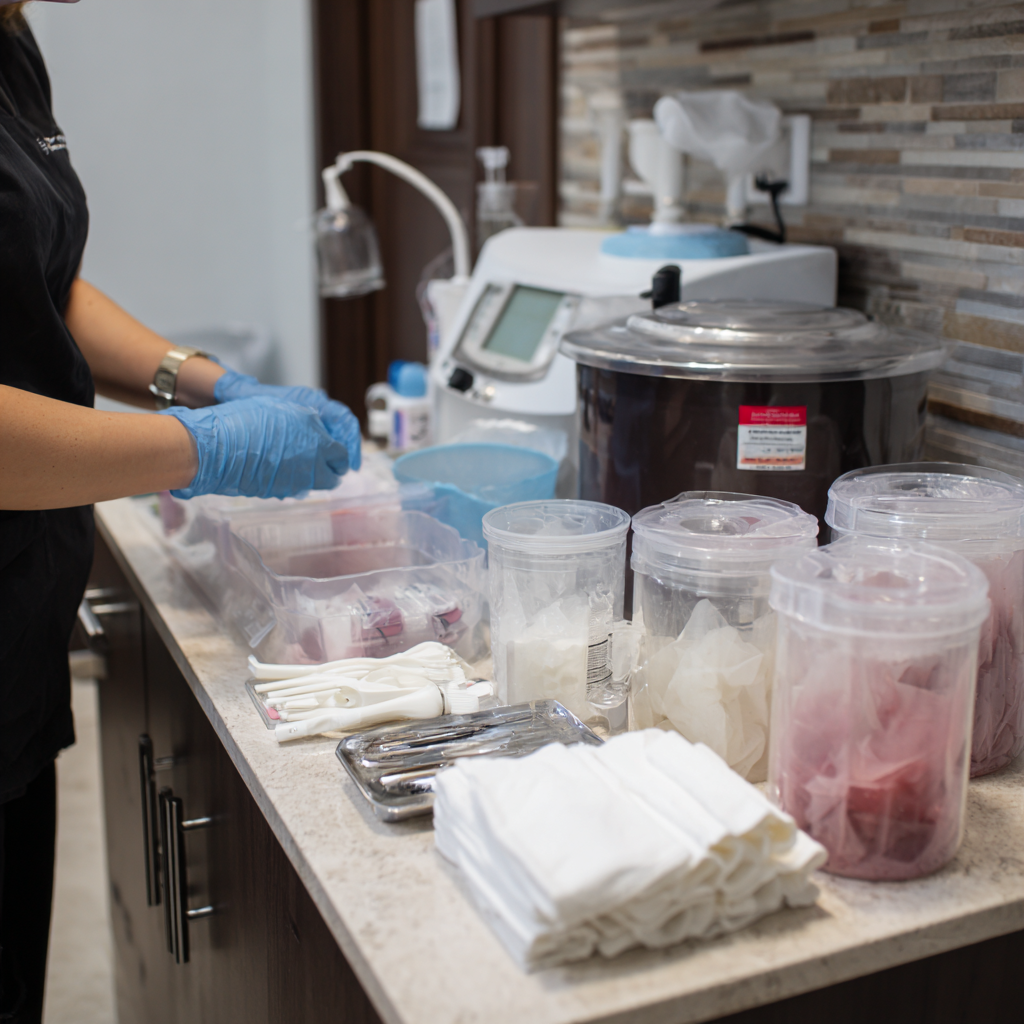
Licensed Texas esthetician organizing waxing sanitation supplies
Clients notice cleanliness, privacy, confidence, and consistency. Those details help turn a license into repeat business.
TDLR esthetician licensing checklist for future Texas waxers
Renewal planning should begin before the deadline. CE is easier to complete when licensees do not wait until the last minute.
Renewal and business planning

A waxing career does not stop at the first license

After licensure, a Texas waxer still needs to maintain compliance. That includes renewing on time, completing required continuing education when applicable, keeping completion records, and staying current on sanitation and human trafficking prevention requirements.

Career planning also matters. Waxers may work in salons, waxing studios, spas, brow bars, esthetician suites, or independent business settings. The right choice depends on the licensee’s goals, comfort with business operations, local market, and compliance responsibilities.

CE

Continuing education

Licensed beauty professionals should complete required CE before renewal deadlines and keep records organized.

Specialization

Waxers may focus on brows, facial waxing, body waxing, Brazilian waxing, or a broader esthetics menu.

Client systems

Intake forms, contraindication screening, aftercare instructions, and rebooking workflows support safer services.

Growth path

Experienced waxers may move from employee roles into suite rental, booth rental, or business ownership.

Common questions

FAQ: Becoming a Waxer in Texas

These answers help clarify common licensing, training, and renewal questions for future Texas waxing professionals.

Does Texas have a standalone waxing license?

Texas does not generally use “waxing license” as the main license title. Most professional waxers pursue a Texas Esthetician license or another license that includes esthetician services.

How many hours are required to become a waxer in Texas?

The direct esthetician path requires 750 hours of approved training at a licensed Texas barbering or cosmetology school.

Can a cosmetologist wax in Texas?

Yes. A Texas Cosmetology Operator license includes services allowed under the esthetician scope, along with broader cosmetology services.

Can an unlicensed person wax clients for money?

A person should not provide regulated waxing services to paying clients without a Texas license that authorizes the service.

What CE does a Texas waxer need?

Most barbering and cosmetology licensees need continuing education at renewal. Requirements depend on how long the person has held the license and current TDLR rules.

Stay renewal ready

Need Texas cosmetology or esthetician renewal CE?

Licensed Texas beauty professionals should complete required continuing education before the renewal deadline. Enroll online and keep compliance moving without waiting until the last minute.

TDLR-approved provider
Provider #2501
Online course access
Renewal-focused training