
Texas Hair Salon License: TDLR Requirements & How to Apply
Opening a hair salon in Texas requires more than choosing a location, hiring stylists, and setting up chairs. A hair-focused business generally needs the correct TDLR establishment license, compliant equipment, sanitary operating procedures, and properly licensed professionals.
A Texas hair salon generally needs a TDLR barbering or cosmetology establishment license for the business location. The salon must also make sure each person providing regulated services holds the proper Texas license for those services.
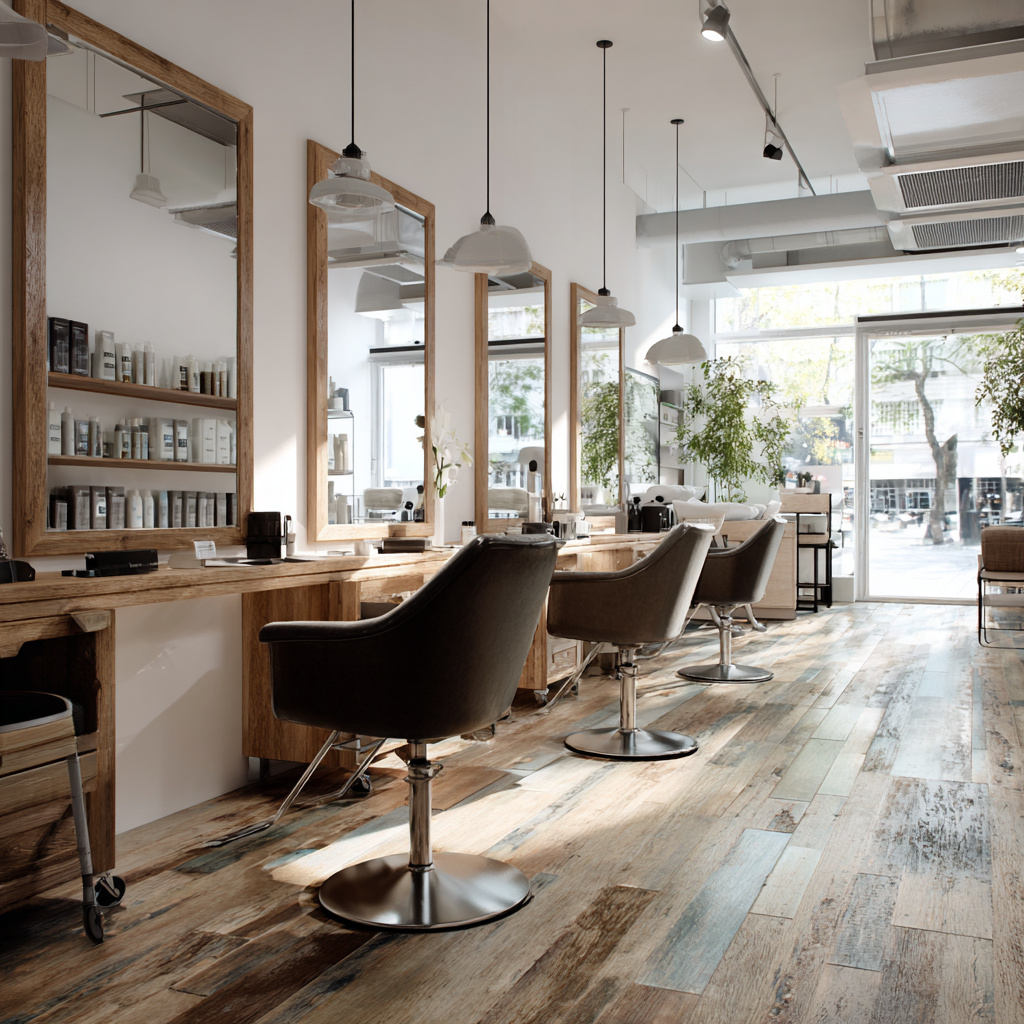
What a Texas Hair Salon License Covers
A Texas hair salon license is not the same thing as an individual cosmetology license. The establishment license applies to the business location. Individual practitioners still need the proper license for the services they personally perform.
For most fixed-location hair salons, the relevant license is a TDLR barbering or cosmetology establishment license. The business should also confirm whether it will offer only hair services or a broader menu such as nails, esthetics, waxing, eyelash extensions, or barbering.
TDLR lists the standard establishment license fee at $78, and establishment licenses are valid for two years from the issue date. All requirements must be met within one year from the date the application is received, or the application is considered void.

Choose the Correct Establishment Type Before Applying
Before applying, the owner should decide what kind of business the salon will be. A traditional hair salon with styling stations, shampoo areas, and hair service providers will usually look different from a salon suite, mini-establishment, mobile salon, or multi-service beauty salon.
A mini-establishment is different from a standard full-service establishment. TDLR explains that a mini-establishment must be located inside a licensed full-service establishment or specialty establishment that has rooms available for barbering or cosmetology services.
This distinction matters because many modern salon businesses use suite rental, booth rental, or shared-space models. The licensing structure should match the actual business arrangement.
| Business Model | Licensing Question |
|---|---|
| Traditional hair salon | Does the business need a standard establishment license? |
| Salon suites | Does each suite need a mini-establishment license? |
| Booth rental salon | Are independent contractors properly listed and licensed? |
| Multi-service salon | Do the establishment and practitioners cover every service offered? |
| Mobile hair service business | Does the business need a mobile establishment license? |
How to Prepare the TDLR Application and Salon Setup
TDLR says a new establishment license applicant must submit a completed application form with the non-refundable fee. Applicants should provide detailed information about all business owners and the business ownership structure.
Before starting the application, a salon owner should gather the legal business name, owner contact information, business structure, physical salon address, mailing address, service categories, contractor information if applicable, and a payment method.
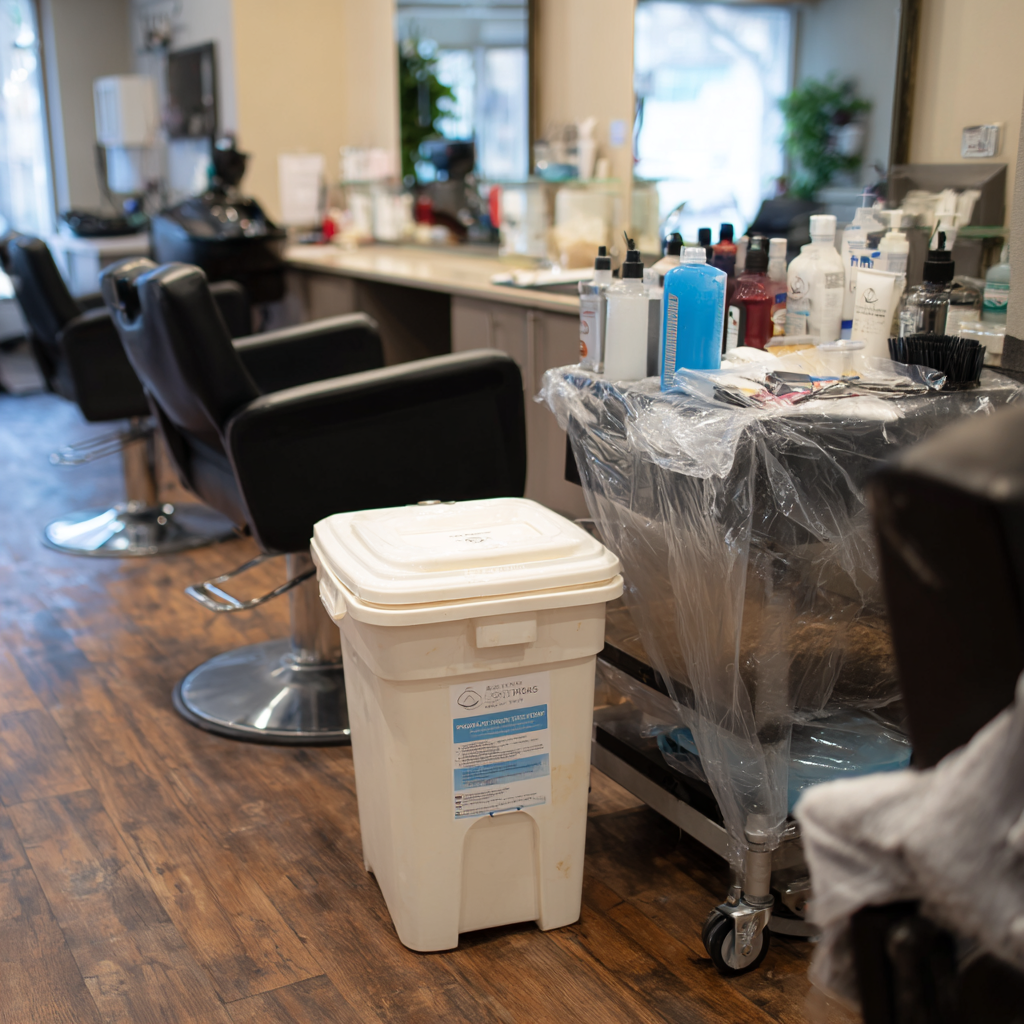
A hair salon must also be set up to support safe, sanitary, regulated services. Required equipment planning should include workstation organization, disinfection procedures, covered trash, clean storage, shampoo or sink areas where applicable, towels or linens, and safe product storage.
Keep the Salon Compliant After the License Is Issued
TDLR does not treat the establishment license as a one-time formality. Salon owners are responsible for ongoing compliance with applicable law and rules, including establishment responsibilities and health and safety standards.
The licensed premises may not be used for living or sleeping purposes or for any purpose that tends to make the premises unsanitary, unsafe, or harmful to public health and safety. If attached to a residence, the establishment must have a separate and distinct entrance from the residential entrance.
Salon owners should also track two separate renewal issues: the establishment license and the individual licenses of practitioners. Many barbering and cosmetology licensees must complete TDLR-approved continuing education before renewal.
Texas Hair Salon License Questions
These answers cover the most common licensing, establishment, contractor, and renewal questions for Texas hair salon owners and professionals.
How much is a Texas hair salon license?
How long is a Texas salon establishment license valid?
Does a hair stylist need a separate license in Texas?
Can a Texas salon lease space to independent contractors?
Can a hair salon operate from a home in Texas?
Complete Texas Cosmetology Continuing Education Online
For licensed cosmetology professionals working in a Texas hair salon, completing continuing education on time helps avoid renewal problems. Texas Cosmetology License Renewals is a TDLR-approved continuing education provider, Provider #2501.
