
Does a Makeup Artist Need a License in Texas?
Texas makeup artists often ask whether they need a cosmetology or esthetician license. The answer depends on whether the service is truly makeup application only or whether it includes regulated beauty services like facials, waxing, hair styling, lashes, or salon work.
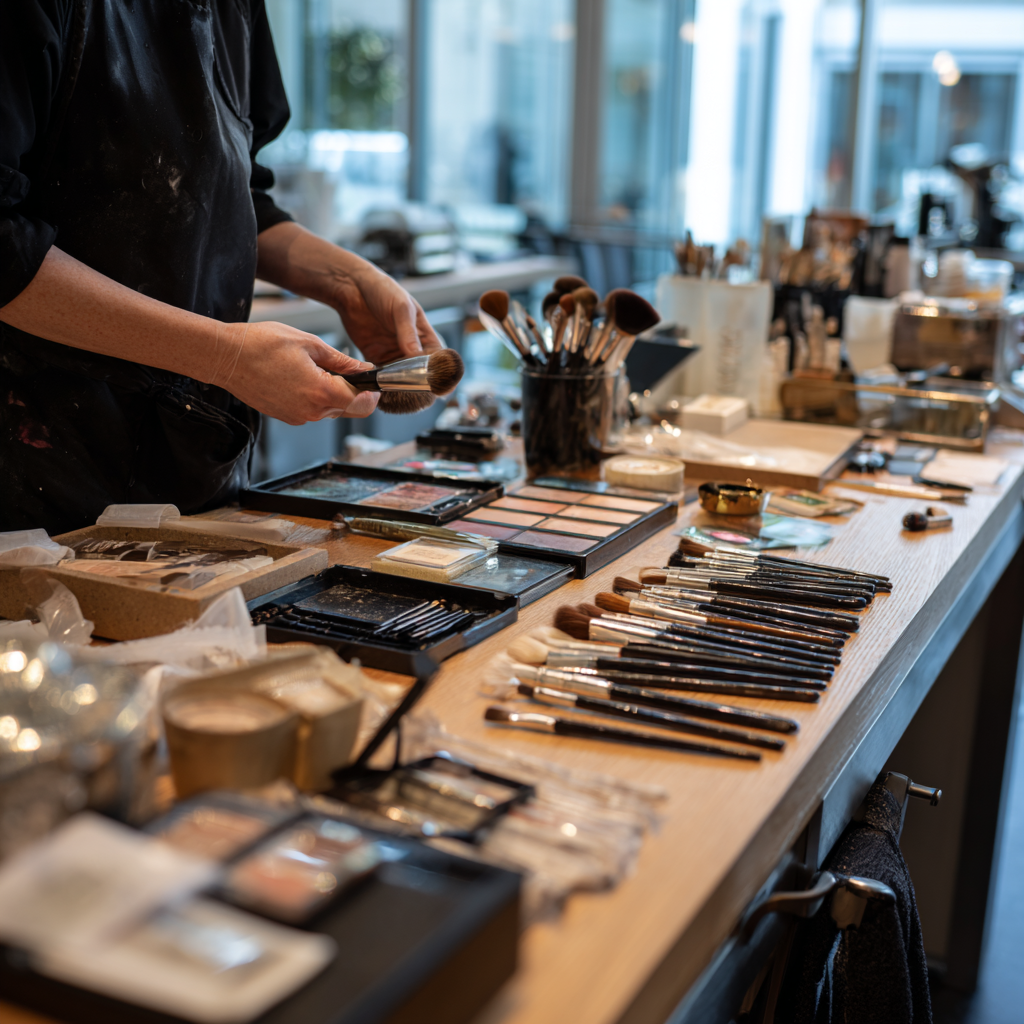
Texas generally exempts people who provide makeup applications only. A license may be required when the artist also offers regulated services such as facials, waxing, hair styling, lash services, nail services, or salon establishment services.
Makeup-only services are treated differently under Texas law.
The key phrase is “makeup applications only.” A freelance artist who applies cosmetics for weddings, events, photoshoots, pageants, or stage performances may not need a Texas cosmetology or esthetician license when the service is limited to makeup application.
The risk begins when the service menu expands. Skin care, hair removal, hair styling, lash services, nail services, or salon operations can move the work into regulated barbering and cosmetology territory.
Exempt
Makeup application only, with no regulated add-on services.
Review Required
Makeup plus facials, waxing, hair, lashes, nails, or salon services.
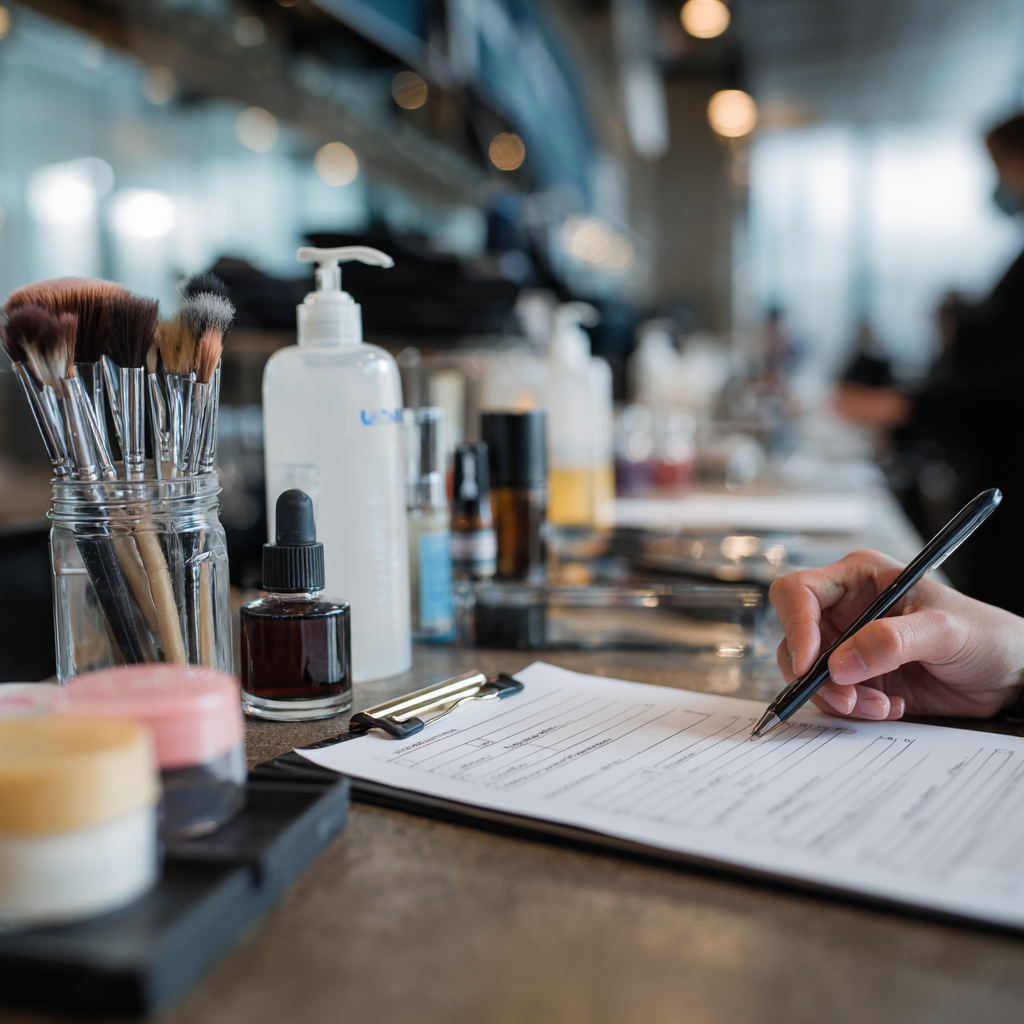
Compliance tip: Keep service descriptions accurate. “Makeup application” is different from skin care, facial treatments, waxing, hair styling, or lash services.
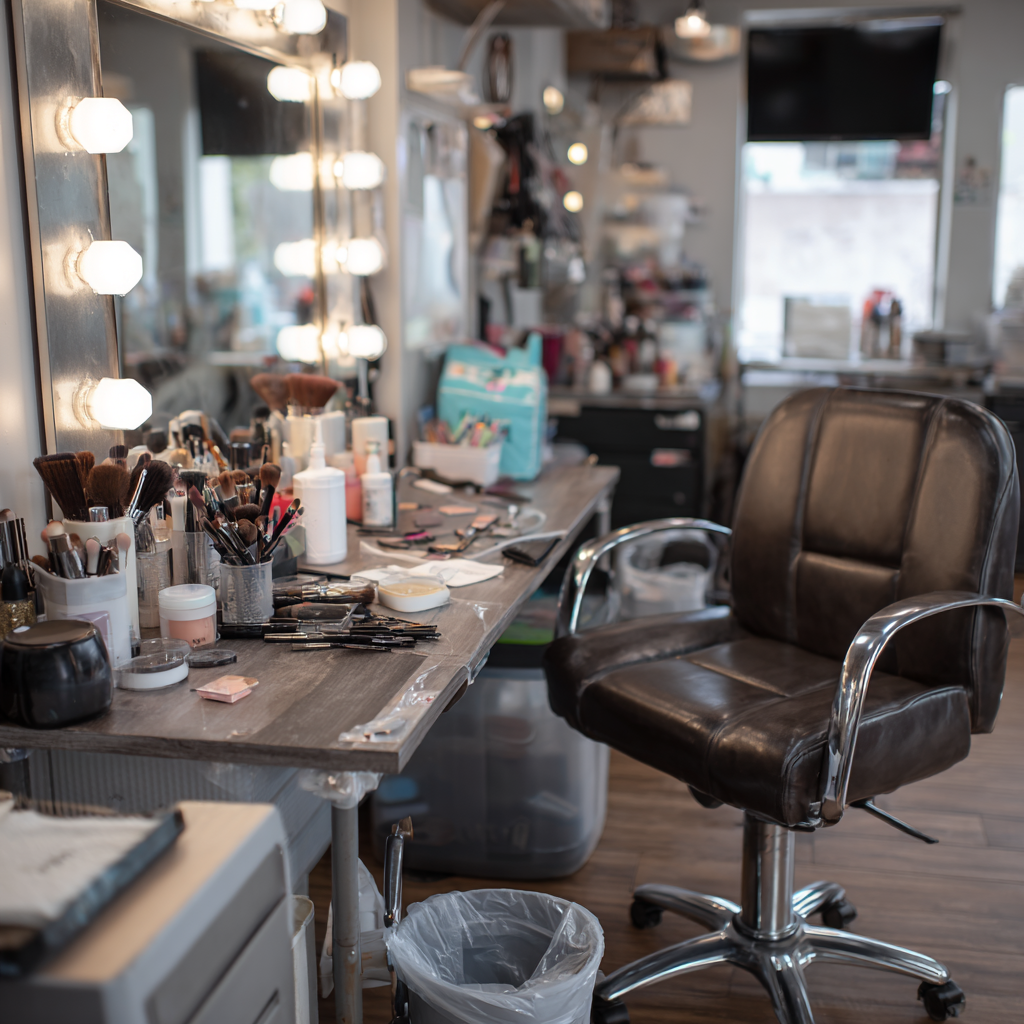
Which makeup services may trigger Texas licensing questions?
Licensing depends on the services actually performed, not just the job title. A professional may call themselves a makeup artist, but Texas licensing concerns can arise when the work includes regulated beauty services beyond makeup application.
| Service Offered | Likely Licensing Direction | Compliance Note |
|---|---|---|
| Makeup application only | Usually exempt | The exemption applies when the service is limited to makeup applications only. |
| Makeup plus hair styling | Review cosmetology requirements | Hair styling, arranging, cutting, coloring, or chemical services may be regulated. |
| Makeup plus brow waxing | Review esthetician or cosmetology requirements | Hair removal services can create licensing obligations. |
| Makeup plus facials | Review esthetician or cosmetology requirements | Facials and skin treatments are different from makeup application. |
| Makeup inside a salon or suite | Review individual and establishment rules | The artist should consider service scope, location, advertising, and business setup. |
Business setup matters: A clean service area supports professionalism, but licensing still depends on the exact beauty services being offered.
Use this process before advertising makeup services in Texas.
A makeup artist can reduce compliance problems by checking the service menu, website wording, client intake forms, and business location before booking clients.
List every service being sold.
Separate true makeup application from hair, skin, waxing, lashes, nails, or other beauty services.
Check whether any service is regulated.
Facials, waxing, hair styling, lash services, and nail services can create licensing questions.
Match marketing language to credentials.
Avoid terms such as cosmetologist, esthetician, facial specialist, or licensed professional unless the credential is accurate.
Review renewal duties if licensed.
Licensed Texas beauty professionals should complete required continuing education before the renewal deadline.
Business setup matters: A clean service area supports professionalism, but licensing still depends on the exact beauty services being offered.
Use this process before advertising makeup services in Texas.
A makeup artist can reduce compliance problems by checking the service menu, website wording, client intake forms, and business location before booking clients.
List every service being sold.
Separate true makeup application from hair, skin, waxing, lashes, nails, or other beauty services.
Check whether any service is regulated.
Facials, waxing, hair styling, lash services, and nail services can create licensing questions.
Match marketing language to credentials.
Avoid terms such as cosmetologist, esthetician, facial specialist, or licensed professional unless the credential is accurate.
Review renewal duties if licensed.
Licensed Texas beauty professionals should complete required continuing education before the renewal deadline.
Makeup artists with a Texas beauty license still need to manage renewal.
A makeup-only artist may not need a TDLR license, but many professionals also hold a cosmetology, esthetician, manicurist, or specialty license. Those licensees should keep renewal requirements on the calendar and complete approved continuing education before renewing.
- Know the license type. Cosmetology operator, esthetician, manicurist, eyelash specialty, and instructor licenses can have different scopes and renewal considerations.
- Complete required CE. Many Texas barbering and cosmetology licensees need approved continuing education every two years.
- Keep service scope clear. A license allows broader work only within the scope of that credential.
- Use accurate client-facing language. Website pages, booking menus, and social profiles should reflect the services the professional can legally provide.
Texas makeup artist license FAQ
These answers help clarify common licensing questions for freelance makeup artists, salon professionals, bridal beauty providers, and licensed cosmetology professionals in Texas.
Does Texas have a specific makeup artist license?
Texas does not require a separate makeup artist license for makeup applications only. The key limitation is that the person must stay within makeup-only work and avoid regulated add-on services unless properly licensed.
Can a bridal makeup artist work in Texas without a license?
A bridal makeup artist may be exempt when the service is limited to makeup application. If the bridal package includes hair styling, facials, brow waxing, lash extensions, or other regulated services, licensing requirements may apply.
Can a Texas makeup artist wax eyebrows?
Eyebrow waxing is not the same as makeup application. Hair removal services can fall within regulated cosmetology or esthetics work, so a makeup artist should review licensing requirements before offering waxing.
Does a makeup artist need an esthetician license in Texas?
Not for makeup application only. An esthetician or cosmetology license may be needed when the person provides skin care, facials, hair removal, or similar regulated services.
Do licensed Texas cosmetologists need continuing education?
Yes. Licensed Texas beauty professionals should complete the required TDLR-approved continuing education before renewal. Texas Cosmetology License Renewals is TDLR-approved Provider #2501.
Need Texas cosmetology continuing education?
Licensed Texas beauty professionals can complete their renewal CE online with Texas Cosmetology License Renewals, TDLR-approved Provider #2501. The course is designed for convenient online completion and straightforward renewal support.
