
Texas Cosmetology Education Guide

Texas Cosmetology Instructor License Requirements

Texas no longer requires a separate cosmetology instructor license. The current requirement is that a teacher must hold the appropriate active TDLR barbering or cosmetology license for the services or subjects they teach in a licensed school.
Current Texas Rules
TDLR License Scope
School Hiring Guidance
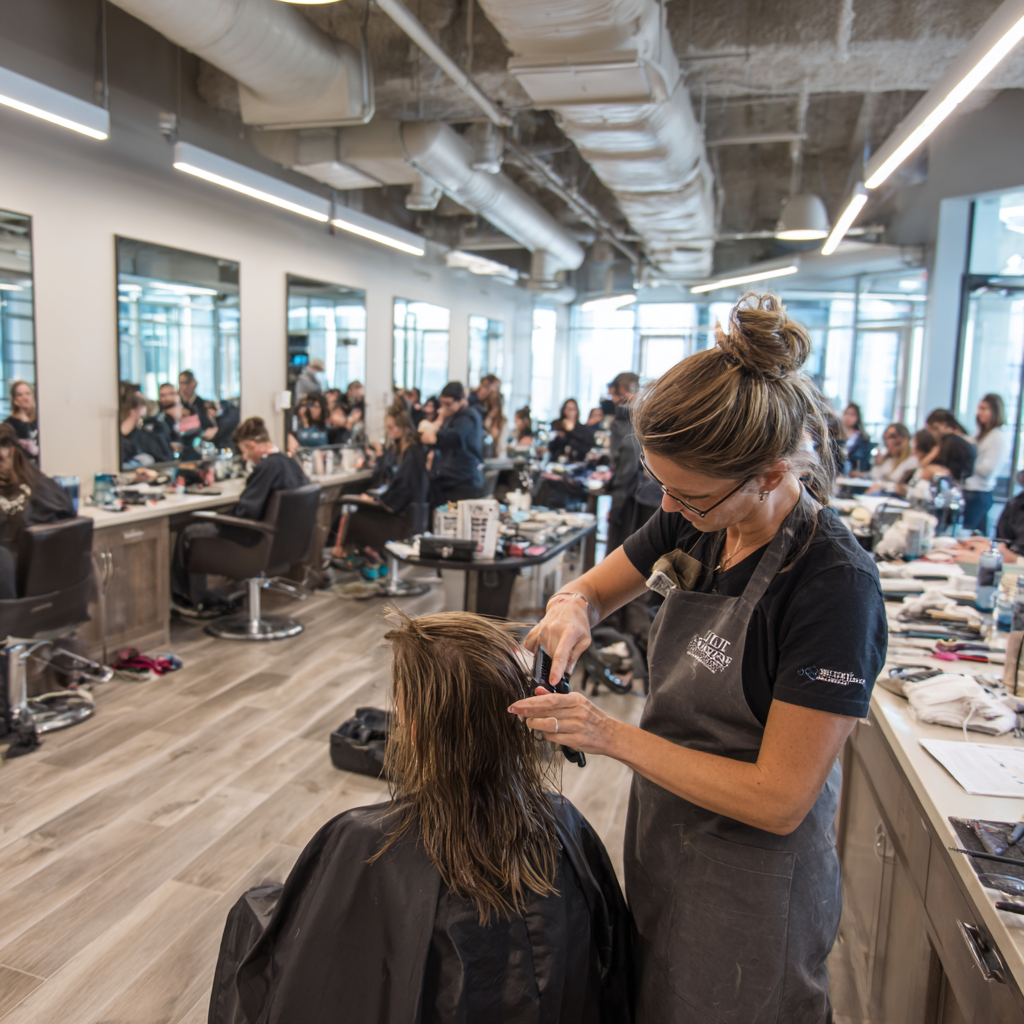
Texas cosmetology educator demonstrating a professional technique in a classroom
Quick Answer

No separate Texas cosmetology instructor license is required. Licensed schools may hire qualified licensed professionals to teach subjects that match their active TDLR license scope.

Current Requirement

Texas Replaced the Separate Instructor License Requirement

The phrase “Texas cosmetology instructor license requirements” often causes confusion because older licensing pathways included separate instructor credentials. Current TDLR guidance is different. Texas no longer requires a separate instructor license to teach barbering or cosmetology courses in a licensed school.

Instead, the teacher must hold the correct underlying TDLR license for the subject being taught. That makes license scope the central issue. A cosmetology operator, esthetician, manicurist, eyelash extension specialist, hair weaving specialist, or barbering professional may be eligible to teach subjects that match their license.

Question Current Texas Answer
Is there a separate instructor license? No. Texas no longer requires a separate cosmetology instructor license.
What license is needed? The teacher needs the appropriate active TDLR license for the subject being taught.
Can schools require more? Yes. Schools may require experience, training, references, or internal qualifications.
Do instructor courses still count for TDLR credit? No. Instructor courses do not create a separate state instructor credential.
Licensed Texas cosmetology professional reviewing instructor requirements

License scope matters most.

A school should verify that each educator’s active license aligns with the subjects, services, and sanitation responsibilities assigned in the classroom.

License Match

Who Can Teach Cosmetology Subjects in Texas?

The right teacher depends on the license type and the subject matter. A cosmetology operator license generally supports broader cosmetology instruction, while a specialty license may support instruction in a narrower service category.

1

Cosmetology Operator

May support broad instruction in hair, skin, nails, sanitation, laws and rules, and related cosmetology methods.

2

Esthetician

May teach esthetics-related topics such as skin care, facials, hair removal, safety, and sanitation.

3

Manicurist

May teach nail services, manicuring, pedicuring, artificial nails, tool safety, and nail sanitation.

4

Specialty License Holder

May teach specialty services when the instruction matches the active TDLR license scope and school assignment.

Practical Path

How a Licensed Professional Can Move Into Teaching

Because Texas does not require a separate instructor license, the path into teaching usually runs through a licensed school’s hiring process. The professional should focus on license compliance, classroom readiness, and proof of subject-matter competence.

01

Confirm the license is active.

The educator should keep the underlying TDLR license current and in good standing before applying to teach.

02

Match the subject to the license.

The teacher’s license should align with the practical services and theory topics assigned by the school.

03

Build teaching readiness.

Experience mentoring students, training staff, demonstrating procedures, and explaining sanitation rules can strengthen the application.

04

Apply directly to licensed schools.

The school verifies the teacher’s qualifications and decides whether additional experience or internal training is required.

Important compliance note

A professional does not apply to TDLR for a new instructor license under the current system. The licensed school is responsible for verifying that the teacher holds the appropriate TDLR license for the course material being taught.

Schools may also require additional qualifications, such as salon experience, teaching demonstrations, references, curriculum familiarity, or internal training.

Renewal & Compliance

Teachers Still Need to Maintain Their Active License

Even though there is no separate instructor license, cosmetology educators must keep their underlying Texas license active. That includes completing required continuing education before renewal when CE applies to the license type.

For most Texas barbering and cosmetology licensees, renewal requires four hours of TDLR-approved continuing education every two years. Long-time licensees who have held a Texas license for at least 15 years may qualify for a reduced two-hour requirement.

  • Keep the license current: An expired license can create compliance problems for both the teacher and the school.
  • Complete CE on time: Required topics commonly include sanitation and human trafficking awareness.
  • Document qualifications: Teachers should keep renewal records, CE certificates, specialty training, and professional references.
  • Stay classroom-ready: Educators should remain current on safety, sanitation, laws, rules, and student-facing best practices.
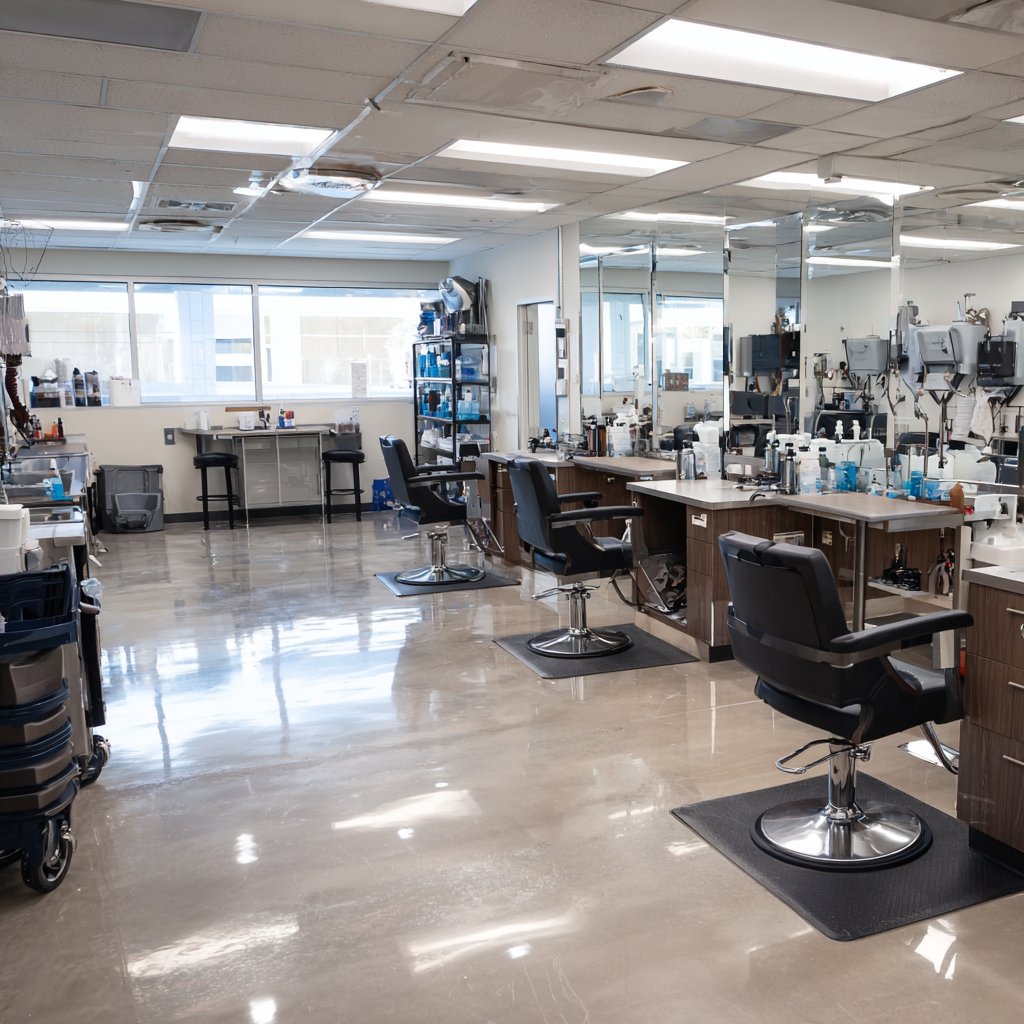
Modern Texas cosmetology school classroom with styling stations

Teaching flexibility does not remove compliance duties.

Educators should maintain active licensure, complete required CE, and teach within their professional scope.

Common Questions

Texas Cosmetology Instructor License FAQ

These answers clarify the difference between the old instructor-license model and the current Texas requirements for teaching in licensed cosmetology schools.

Does Texas still have a cosmetology instructor license?

No. Texas no longer requires a separate cosmetology instructor license to teach barbering or cosmetology courses in a licensed school.

What license is needed to teach cosmetology in Texas?

The teacher must hold the appropriate active TDLR barbering or cosmetology license for the specialty area or services they will teach.

Can a Texas esthetician teach esthetics?

A licensed esthetician may be eligible to teach esthetics-related courses if employed by a licensed school and teaching within the scope of the esthetician license.

Can a manicurist teach nail technology?

A licensed manicurist may be eligible to teach manicuring, pedicuring, nail enhancements, nail safety, and related sanitation topics when the instruction matches the license scope.

Do instructor courses still count for TDLR credit?

No. Instructor courses do not create a separate TDLR instructor credential or state-awarded instructor-course credit under the current system.

Do cosmetology teachers need continuing education?

Yes, if their underlying Texas barbering or cosmetology license requires CE for renewal. Educators should keep their active license compliant and renew on time.

Renew Your Texas License

Stay Compliant Before You Teach, Train, or Renew

Whether a licensed professional is working behind the chair, training future beauty professionals, or preparing for a school role, the underlying Texas license must stay active. Complete TDLR-approved continuing education online and keep renewal simple.

TDLR-Approved Provider
Provider #2501
Online CE Course
License Renewal Support