
Texas Salon Compliance Guide

TDLR Inspections for Texas Cosmetology Salons: 2026 Checklist & Common Violations

TDLR inspections help ensure Texas cosmetology salons, nail salons, esthetician establishments, salon suites, and other licensed beauty businesses comply with state licensing, sanitation, equipment, recordkeeping, and facility requirements. For Texas salon owners, inspection readiness should be part of everyday operations rather than a last-minute cleanup.
✓ TDLR Provider #2501 ✓ 100% Online ✓ Texas-Focused Guidance
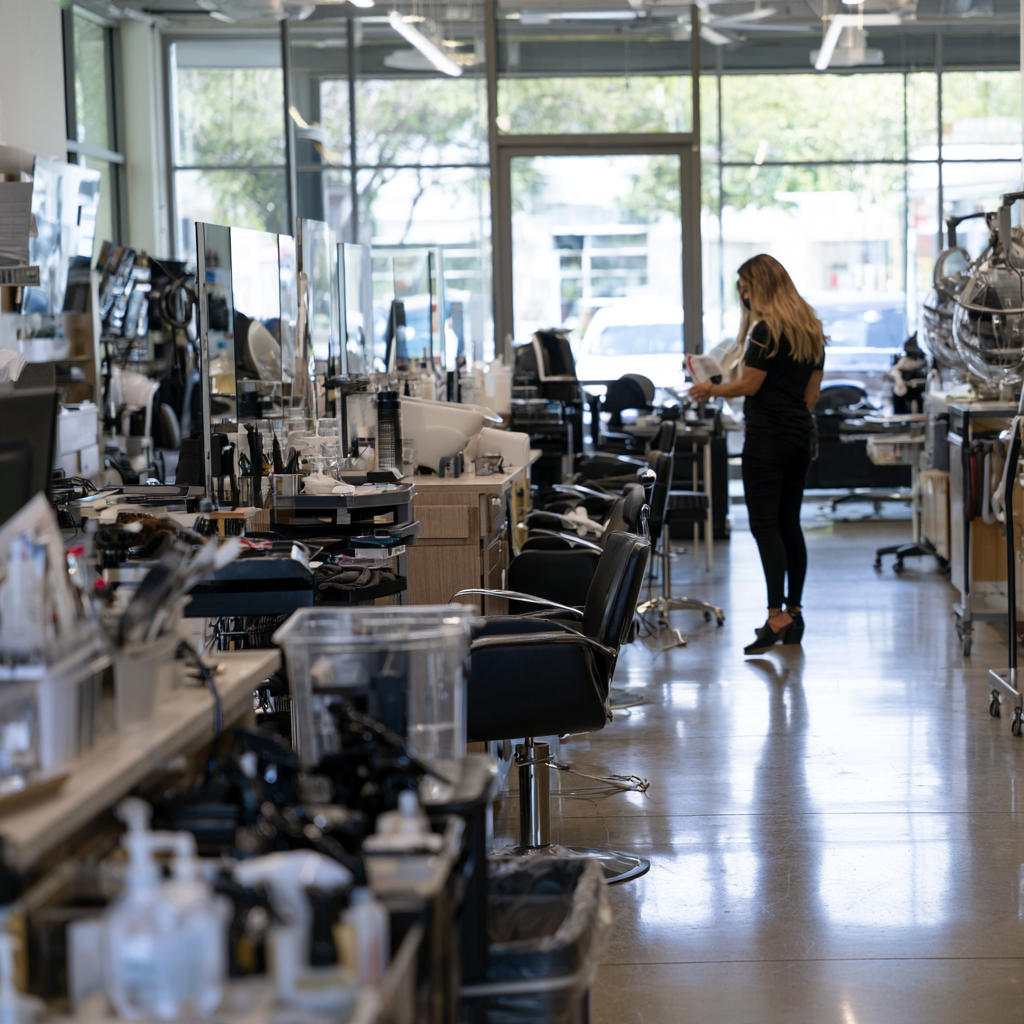
Texas salon owner preparing for a TDLR cosmetology inspection
Inspection-ready every day Maintain licenses, sanitation, records, equipment, and required postings before an inspector arrives.
Quick Answer: What does TDLR check during a cosmetology inspection? TDLR inspectors may review establishment and practitioner licenses, required postings, sanitation and disinfectant procedures, clean-tool storage, workstations, restrooms, facility condition, renter records, products, and equipment required for the services offered.
Inspection Checklist

What TDLR Inspectors May Review in a Texas Salon

Inspection readiness should be treated as an operating system rather than a one-day cleanup. The establishment should be able to demonstrate that licenses, sanitation procedures, facility conditions, and documentation are maintained during normal business operations.

TDLR's Barbering and Cosmetology Inspections Guide explains that inspectors can review the facility, required records, equipment, and regulatory postings. If the owner or manager is unavailable, the inspection may continue with the person in charge representing the establishment.

01
Licenses Current establishment and practitioner credentials.
02
Documentation Renter lists, mini-establishment information, and required records.
03
Sanitation Disinfectant, tools, linens, work surfaces, and storage.
04
Facility Floors, walls, fixtures, plumbing, and restroom condition.
05
Equipment Required equipment for the services being performed.
06
Public Notices Inspection and other required notices displayed properly.

Source: Texas Department of Licensing and Regulation — Inspections Guide
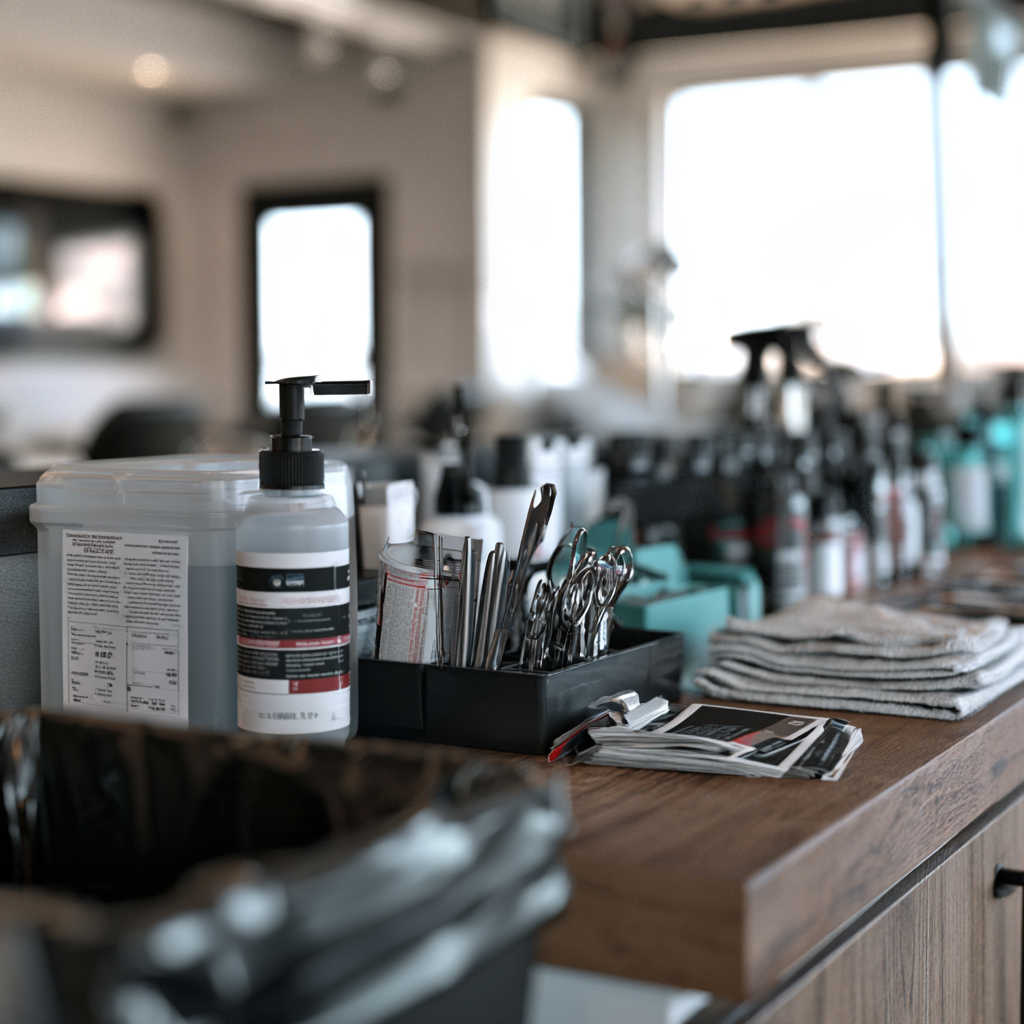
TDLR salon inspection checklist showing sanitized cosmetology equipment

Daily Inspection-Readiness Routine

Clean and disinfect tools, separate clean and soiled implements, prepare fresh disinfectant as required, verify licenses, review renter records, and correct damaged or unclean facility surfaces.

Common Violations

Frequent Problems That Can Create TDLR Inspection Findings

Many common inspection issues are ordinary housekeeping, sanitation, or documentation failures. That makes them preventable when a salon uses a written compliance routine and trains every person responsible for the workspace.

1

Unclean or Damaged Facility

Floors, walls, ceilings, furniture, shelves, and fixtures should remain clean and in good repair.

2

Restroom Problems

The required restroom should remain accessible and compliant, without improper chemical storage.

3

Missing Renter Records

Independent contractor and mini-establishment information should remain current and available.

4

Disinfectant Issues

Disinfectant should be prepared and maintained according to applicable requirements.

5

Improper Tool Storage

Clean, disinfected implements should remain separated from dirty tools and unrelated items.

6

Missing Notices

Required public information and inspection-related notices should remain conspicuously displayed.

7

License Display Problems

Current licenses and required practitioner identification should be displayed correctly.

8

Product Labeling Issues

Products and chemicals should be labeled and stored according to applicable requirements.

Source: TDLR — Most Common Barbering and Cosmetology Establishment Violations
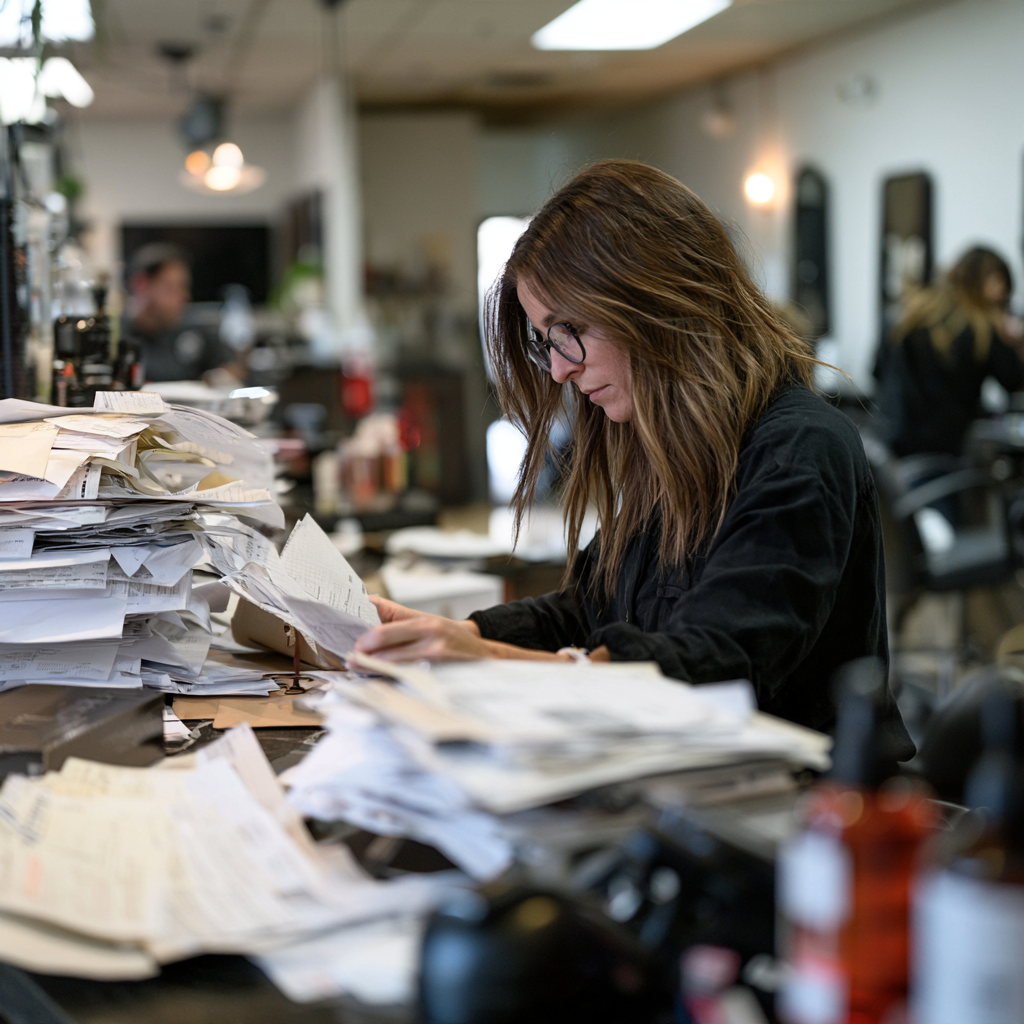
Texas cosmetology salon manager reviewing TDLR inspection requirements

Documentation Matters as Much as Appearance

A salon can look clean and still have compliance problems if licenses, renter records, cleaning records, or required notices are missing or outdated.

Inspection Process

What Happens When a TDLR Inspector Arrives

TDLR explains that an inspector identifies themself, presents state identification and a business card, and requests the owner or manager. An inspection may proceed with the person in charge if management is unavailable.

Establishments should cooperate with the inspection and keep compliance records organized so employees know where to locate them without disrupting normal operations.

12,728 Establishment inspections reported for Sept. 1–Apr. 30 of FY2025
11,696 Comparable establishment inspections during FY2024
+8.8% Approximate year-over-year increase for that reporting period
1
Identity and Introduction

The inspector presents identification and communicates with the owner, manager, or person in charge.

2
Facility Walkthrough

The establishment, work areas, sanitation setup, equipment, and required postings may be reviewed.

3
Records and Licenses

Relevant licenses, contractor records, cleaning records, and other documents may be requested.

4
Findings and Correction

The establishment should review findings, correct deficiencies promptly, and improve the process that caused them.

Inspection statistics source: TDLR Barbering & Cosmetology Advisory Board Staff Reports

Special Compliance Areas

Nail Salons, Salon Suites & Mini-Establishments Need Extra Attention

Specialty establishments may have additional compliance responsibilities based on the services offered. Nail salons, for example, should pay close attention to cleaning procedures, foot-spa records, manicure equipment, implement storage, and sanitation documentation.

Salon suites operating as licensed Mini-Establishments also have responsibilities separate from the gallery establishment. The shared facility and individual suite should understand which equipment, records, common areas, and licensing obligations belong to each party.

Keep cleaning records current.
Complete required documentation when cleaning occurs rather than reconstructing it later.
Separate clean and used implements.
Store sanitized tools in a clean, dry, debris-free environment.
Match equipment to services.
Maintain the equipment required for the actual license type and services offered.
Track suite and renter information.
Update independent contractor and mini-establishment records when occupancy changes.
Important: Facility compliance and individual license renewal are separate obligations. A salon can pass an establishment inspection while a practitioner still has an expired license or an incomplete continuing education requirement.

Professionals operating salon suites can also review the TDLR Mini Salon License Texas guide for additional Mini-Establishment licensing information.

Before the Inspector Arrives

Five-Minute Opening Checklist

Verify licenses and required postings are visible.
Check disinfectant condition and sanitation setup.
Confirm clean tools are stored separately.
Walk floors, workstations, restroom, and common areas.
Confirm renter and specialty-service records are accessible.

Equipment reference: TDLR Establishment Equipment Requirements

Frequently Asked Questions

TDLR Inspection Questions for Texas Salon Owners

Does TDLR inspect cosmetology salons in Texas?
Yes. TDLR's Field Inspections Division performs inspections of regulated barbering and cosmetology establishments, including full-service, specialty, and mini-establishment locations.
Does the salon owner have to be present for a TDLR inspection?
Not necessarily. TDLR states that when the owner or manager is unavailable, the inspector may notify the person in charge and proceed with the inspection.
Can a salon verify that someone is really a TDLR inspector?
Yes. TDLR says inspectors carry State of Texas identification and a business card. The establishment can contact TDLR customer service to verify an inspector's identity.
Does TDLR conduct virtual cosmetology inspections?
TDLR provides virtual inspections for certain licensees. The process can include exterior views, a facility walkthrough, close-up views of postings and equipment, photographs, and review of findings.
What is one of the most common salon inspection violations?
TDLR identifies failure to keep an establishment clean and in good repair among the most common violations, along with restroom, recordkeeping, disinfectant, storage, and labeling issues.
Does continuing education prevent a salon inspection violation?
No. Continuing education and establishment inspections are separate compliance obligations. CE applies to qualifying practitioner license renewals, while inspections evaluate the licensed facility and applicable operating requirements.
Stay Renewal-Ready

Keep Your Texas License Current With TDLR-Approved Continuing Education

Inspection readiness protects the establishment. Continuing education helps eligible Texas beauty professionals complete their individual license-renewal requirements.

✓ TDLR-Approved Provider #2501
✓ 100% Online Course
✓ Texas License Renewal Focus
✓ Convenient Self-Paced Access