Texas Salon Licensing

How to Get a Beauty Salon License in Texas

Getting a beauty salon license Texas requires the right TDLR establishment license, compliant equipment, required postings, inspection readiness, and properly licensed professionals. This guide walks salon owners through the core steps before opening.
TDLR-Approved CE Provider #2501 Texas-focused guidance Salon compliance checklist
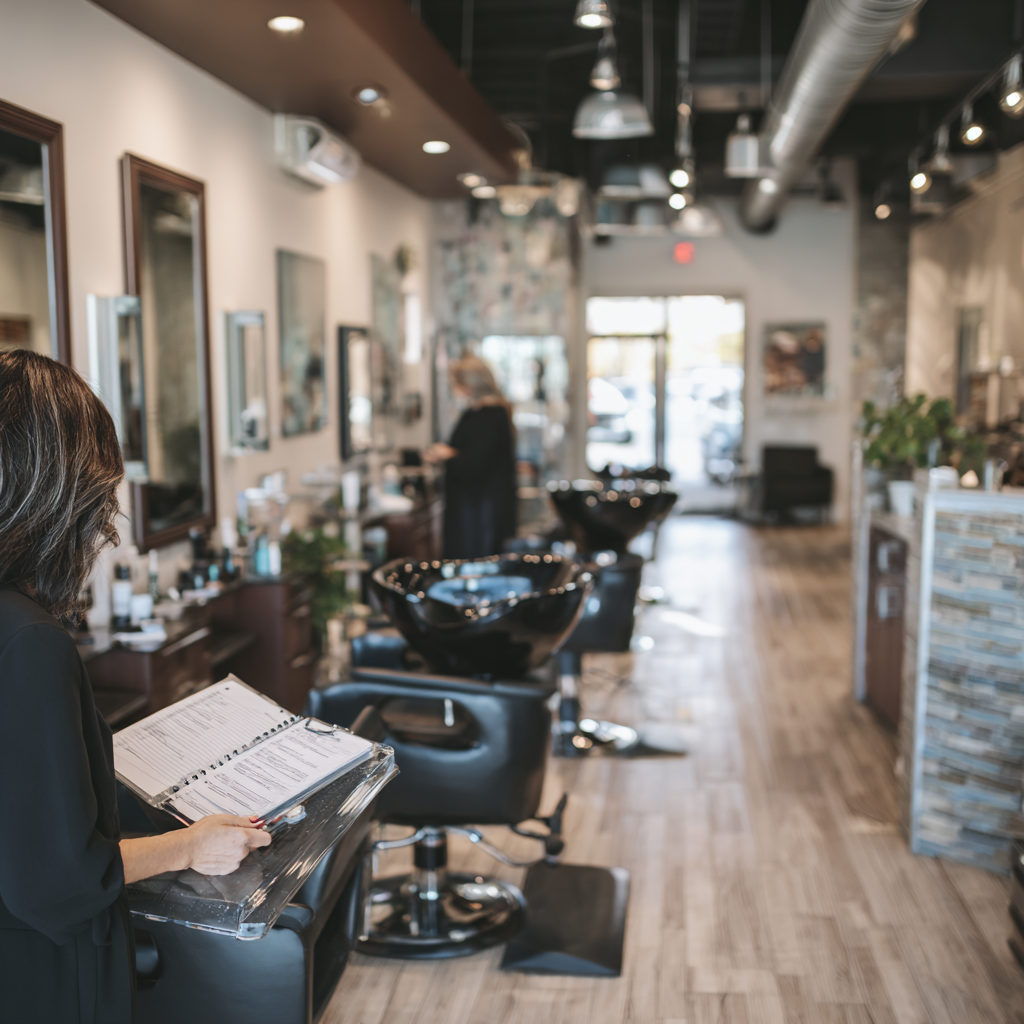
Texas beauty salon interior prepared for TDLR licensing inspection
Quick Answer

Yes. A Texas beauty salon generally needs a TDLR barbering or cosmetology establishment license before offering regulated services to the public. The salon must also maintain required equipment, postings, sanitation standards, and properly licensed practitioners.

Section 1

Choose the Correct TDLR Establishment License

A beauty salon license is not the same as an individual cosmetology license. The individual license covers the professional performing regulated services. The establishment license covers the salon location or business operation.

For most standard beauty salons, the likely license category is a full-service establishment license. Specialty, mini-establishment, and mobile establishment licenses may apply depending on the business model and service menu.

License Type Typical Use Current TDLR Fee
Establishment License Full-service salon or shop offering regulated barbering or cosmetology services. $78
Specialty Establishment License Business offering a narrower service category, such as nails or esthetics. $78
Mini-Establishment License Suite-style or room-based operation inside another licensed establishment. $70
Section 2

Prepare the Application Before Opening

A salon owner should confirm the service menu, business structure, ownership details, physical location, and local permit requirements before submitting a TDLR application. Online applications are typically faster because they are sent directly to the Licensing Division.

TDLR states that all application requirements must be met within one year of the application received date, or the application may be considered void.

1

Hair, nails, esthetics, eyelash extension, waxing, and hair weaving services may affect the required license type and equipment.

2

Prepare the legal business name, DBA, owner information, mailing address, physical salon address, and business structure.

3

City or county rules may require zoning approval, a certificate of occupancy, fire approval, or local business permits.

4

File the correct establishment application and pay the required non-refundable fee before offering regulated services.

Salon owner reviewing Texas beauty salon license application requirements

Owner Preparation Tip

Keep a dedicated TDLR compliance folder with license information, inspection reports, renter lists, posted notice requirements, and current laws and rules.

Section 3

Set Up the Facility and Required Equipment

TDLR establishment rules focus heavily on sanitation, safety, and facility readiness. A salon should have clean floors, walls, ceilings, furnishings, plumbing fixtures, and work areas. Service areas should use cleanable surfaces, and certain areas must have non-porous or non-absorbent flooring.

1

Water Access

A compliant establishment needs hot and cold running water in an area where services are performed and supplies are dispensed.

2

Sanitation Tools

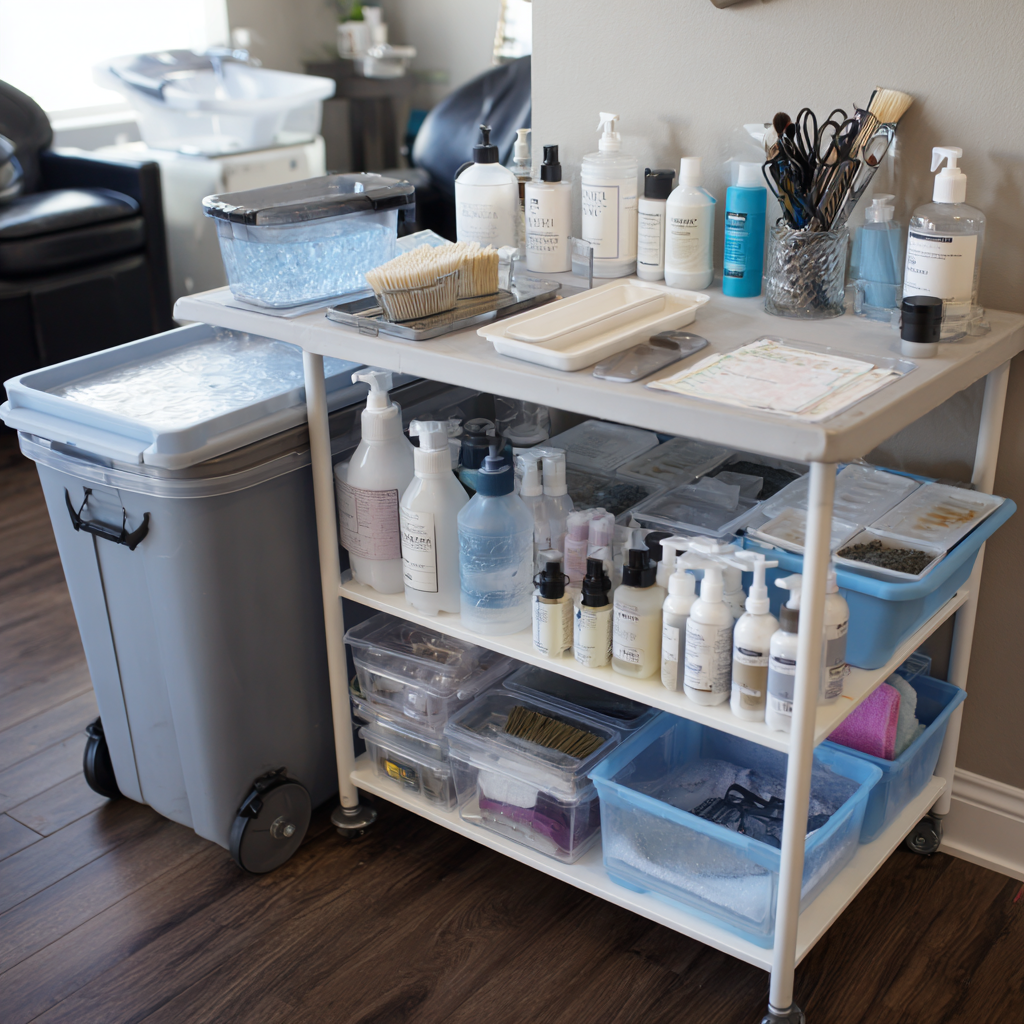
Wet disinfectant containers, clean dry storage, covered trash containers, and proper separation of clean and soiled tools are essential.

3

Service Equipment

Full-service establishments need working stations, styling or barber chairs, and shampoo bowls in sufficient quantity.

Section 4

Stay Inspection-Ready and Avoid Common Violations

TDLR inspectors may check sanitation, equipment, postings, records, licenses, restroom access, product labels, and the overall condition of the establishment. A beauty salon should operate as though an inspection can happen at any time.

Common issues include missing renter lists, chemical storage in the restroom, unclean facilities, disinfectant that is not prepared fresh, missing inspection notices, improperly stored clean tools, and unlabeled products.

  • Post required licenses and notices
  • Maintain fresh disinfectant
  • Separate clean and soiled implements
  • Keep product labels intact
  • Maintain renter and contractor lists
  • Keep restrooms free of chemical storage
  • Provide covered trash containers
  • Store tools in clean, dry areas
Texas salon workstation prepared for TDLR health and safety inspection

Compliance Mindset

Beauty salon licensing is not just a launch task. It is an ongoing operational duty that affects sanitation, records, staffing, signage, and inspections.

Frequently Asked Questions

Texas Beauty Salon License FAQ

These answers summarize common questions salon owners ask before opening or operating a licensed Texas beauty salon.

How much is a beauty salon license in Texas?

TDLR currently lists the establishment license fee at $78 and the mini-establishment license fee at $70. Establishment licenses are valid for two years from the date of issue.

Does a Texas salon owner need a cosmetology license?

The salon business needs the proper establishment license. Individual professionals who perform regulated services must hold the appropriate individual license. A non-practicing owner should confirm requirements for the exact business model before opening.

Can a beauty salon operate from a home in Texas?

A licensed establishment attached to a residence must have a separate and distinct entrance from the residential entrance. Any door between the residence and the licensed facility must remain closed during business hours.

What equipment does a Texas beauty salon need?

Required items may include wet disinfectant containers, clean dry storage, covered trash containers, hot and cold running water, restroom access, adequate ventilation, working stations, styling or barber chairs, and shampoo bowls.

Can a Texas salon rent booths or suites?

Yes, but the establishment must maintain accurate renter, independent contractor, or mini-establishment records. Individual practitioners must also hold appropriate licenses for the services they perform.

Renewal Support

Need Texas Cosmetology Continuing Education?

Texas Cosmetology License Renewals is a TDLR-approved continuing education provider, Provider #2501. Licensed professionals can complete required Texas cosmetology CE online and keep their individual license renewal on track.

TDLR-Approved Provider #2501 Online CE Course Built for Texas Licensees Fast Checkout