
Microblading License in Texas: What Beauty Professionals Need to Know
Microblading is a popular brow service, but Texas professionals should understand one critical distinction: microblading is generally treated as permanent cosmetics because it involves pigment placed under the skin.
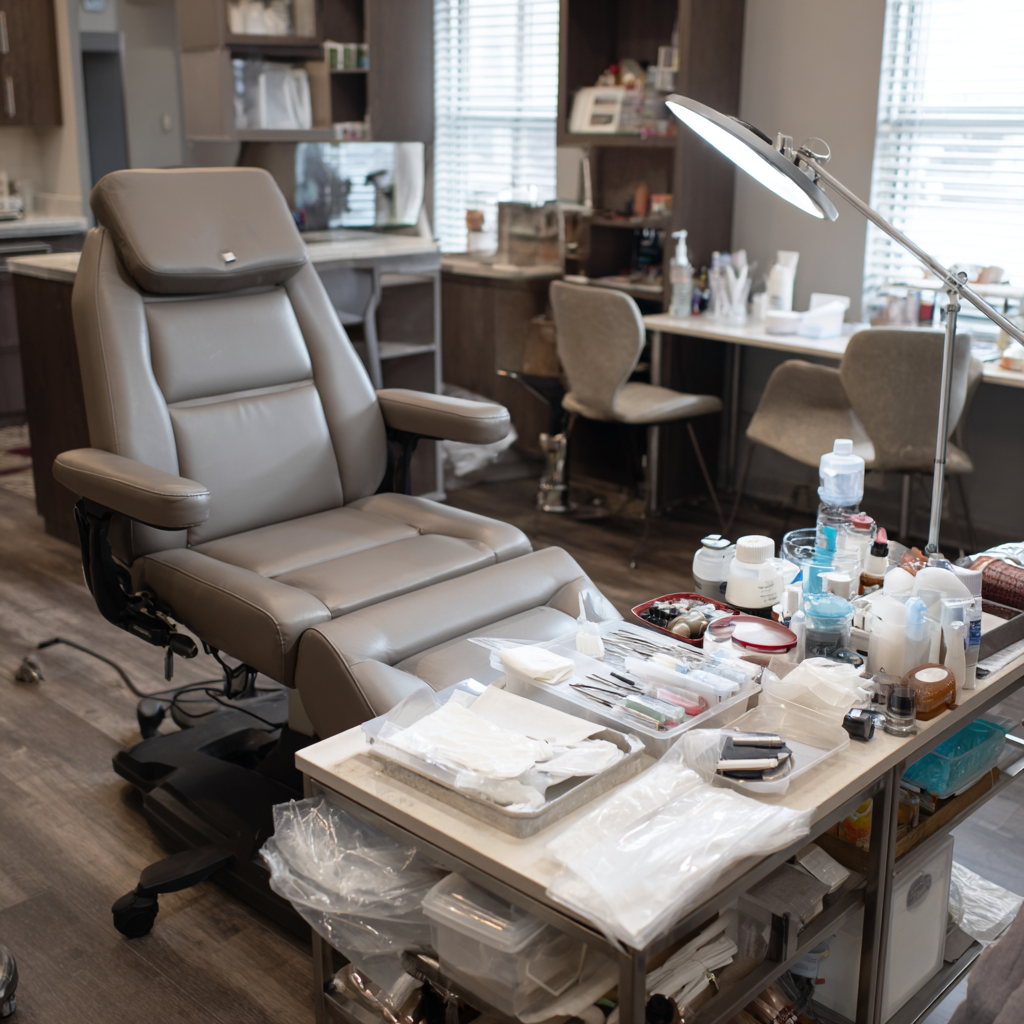
Texas does not treat microblading like a standard cosmetology service. Because pigment is inserted under the skin, microblading is generally regulated through Texas DSHS tattoo and permanent cosmetics studio requirements.
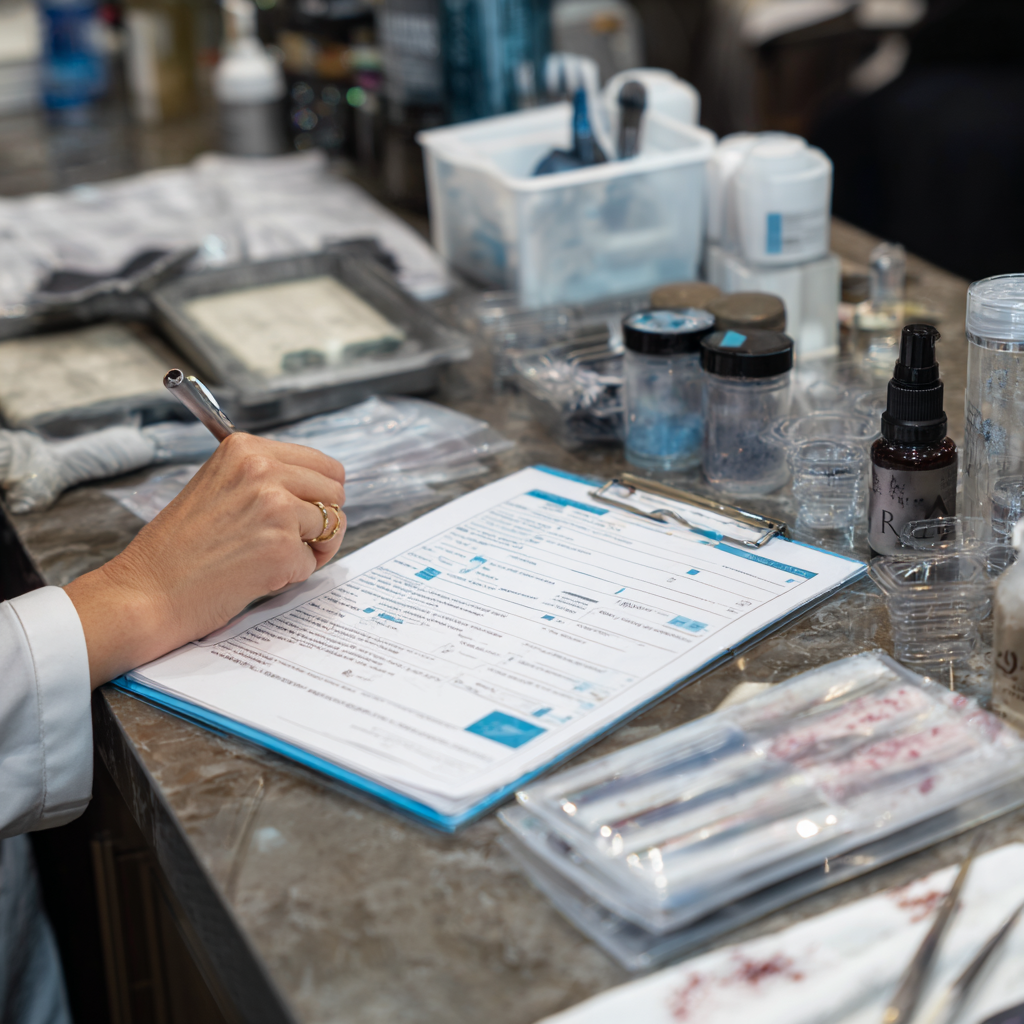
Is Microblading a Cosmetology Service in Texas?
A standard cosmetology or esthetician license can be valuable for many beauty services, but it does not automatically make microblading a standard TDLR cosmetology service. Texas generally treats microblading as a form of permanent cosmetics because the procedure places pigment beneath the skin.
That difference matters for salon owners, estheticians, makeup artists, and brow professionals. Surface-level brow services such as makeup application, tweezing, waxing, or shaping are not the same as a procedure that penetrates the skin and deposits pigment.
Beauty professionals should keep these categories separate: TDLR handles cosmetology and barbering services, while Texas DSHS handles tattoo and permanent cosmetic studio licensing.
| Service | Main Compliance Issue |
|---|---|
| Brow makeup | Cosmetic application and service setting |
| Brow waxing or tweezing | Hair removal license scope and sanitation |
| Microblading | Permanent cosmetics and tattoo studio rules |
| Lip blushing or permanent eyeliner | Intradermal cosmetic procedure compliance |
Who Regulates Microblading in Texas?
The key agency for microblading compliance is the Texas Department of State Health Services, often called DSHS. DSHS regulates tattoo and body piercing studios, including businesses that perform permanent cosmetics.
TDLR remains important for cosmetology, esthetician, manicurist, barber, and salon-related services. However, microblading should not be assumed to fall under a salon license simply because it is performed in a beauty setting.
TDLR
Regulates barbering, cosmetology, esthetics, manicuring, salons, and related Texas beauty license renewals.
DSHS
Regulates tattoo and permanent cosmetic studio requirements for services involving pigment under the skin.
What a Texas Microblading Studio May Need
A private microblading training certificate can help with technique, but it is not the same as state authorization to operate. A compliant business should review the physical location, sanitation setup, client documentation, aftercare process, and applicable DSHS application requirements before advertising services.
Review DSHS requirements
Confirm whether the planned service and location fall under tattoo or permanent cosmetics studio rules.
Prepare the treatment space
Plan for clean surfaces, hand hygiene, disposable supplies, sharps handling, and proper waste procedures.
Document client care
Use intake forms, consent forms, pigment records, procedure notes, and written aftercare instructions.
Track renewals and changes
Budget for license fees and keep amendment or renewal deadlines separate from TDLR cosmetology renewals.
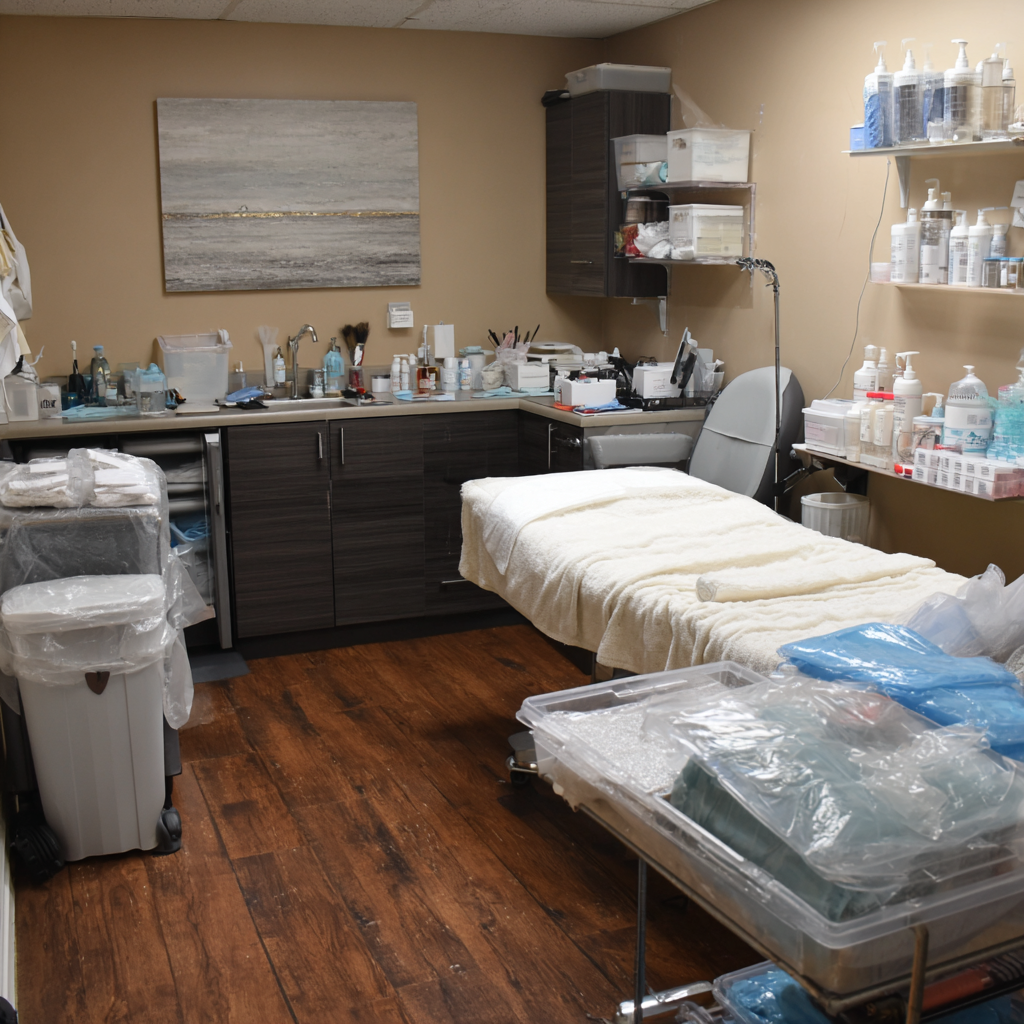
Do Not Rely on a Cosmetology License Alone
One of the biggest mistakes Texas beauty professionals make is assuming that a cosmetology or esthetician license automatically covers microblading. It may support the provider’s broader beauty career, but it does not replace the DSHS compliance review for permanent cosmetic procedures.
Salon owners should also avoid assuming that a licensed salon suite or beauty establishment can add microblading without additional review. The service category, room setup, documentation, and studio requirements should all be checked first.
Separate service categories
Keep brow grooming, makeup application, esthetics, and permanent cosmetics in the correct regulatory lanes.
Verify the location
A room inside a salon may still need separate evaluation before microblading can be offered there.
Maintain other licenses
Beauty professionals offering TDLR-regulated services should still keep those licenses and CE current.
| Checklist Item | Why It Matters |
|---|---|
| DSHS applicability | Microblading generally involves pigment under the skin. |
| Studio licensing fees | Budgeting should include application and renewal costs. |
| Sanitation procedures | Skin penetration creates infection-control obligations. |
| Client records | Forms and aftercare instructions support safer service delivery. |
| TDLR renewals | Other beauty services may still require active TDLR credentials. |
Texas Microblading License FAQs
These answers help beauty professionals understand the difference between microblading compliance, private training, TDLR beauty licenses, and DSHS studio rules.
Does Texas require a microblading license?
Texas generally regulates microblading through DSHS tattoo and permanent cosmetics studio requirements because the procedure places pigment under the skin. Professionals should verify current DSHS requirements before offering services.
Is a cosmetology license enough to perform microblading in Texas?
No. A cosmetology or esthetician license may be useful for other beauty services, but it should not be treated as automatic authorization to perform microblading. Microblading should be reviewed under permanent cosmetics and tattoo studio compliance rules.
Does microblading training count as a state license?
Private training can help an artist learn technique and sanitation basics, but a course certificate is not the same as state authorization to operate a compliant studio.
Can a Texas salon add microblading services?
A salon may need additional review before adding microblading. A TDLR salon license does not automatically mean the location satisfies DSHS tattoo or permanent cosmetic studio requirements.
Should microblading artists keep their TDLR licenses current?
Yes, if they also perform TDLR-regulated beauty services. Microblading compliance and cosmetology renewal requirements should be tracked separately.
Keep Your TDLR License Current While Building a Compliant Beauty Career
Microblading has its own compliance path, but Texas cosmetology, esthetician, manicurist, and barbering professionals still need to keep eligible TDLR licenses current. Complete your approved continuing education online with Texas Cosmetology License Renewals.
