
Licensed Gallery
The suite must be located inside a properly licensed full-service or specialty establishment.
Texas Cosmetology Licensing • 2026 Guide
Planning to open a private salon suite in Texas? Learn how mini-establishment licensing works, what TDLR requires, how much the license costs, and how to keep a beauty business compliant.
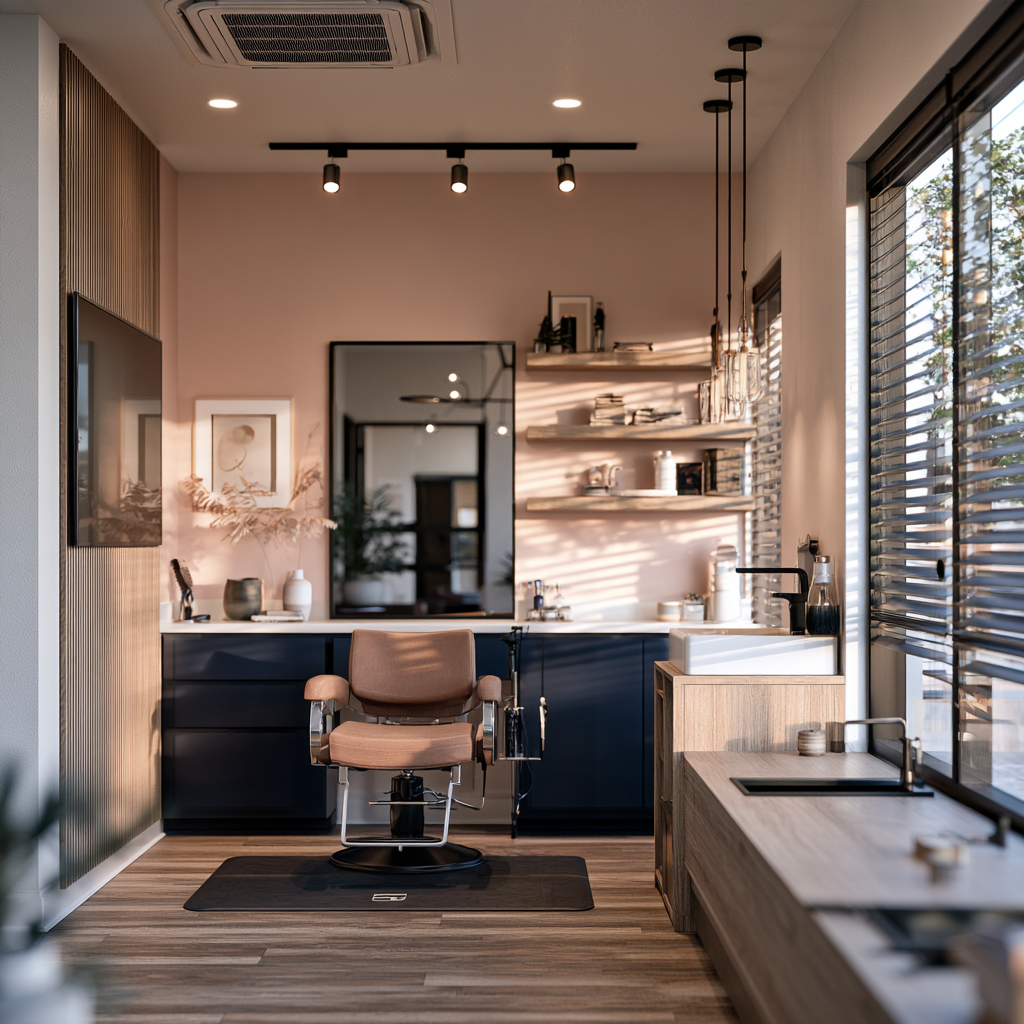
A Texas mini-establishment is an independently operated enclosed room or suite inside an appropriately licensed gallery establishment. The initial TDLR license fee is $70, the regular renewal fee is $70, and the license is valid for two years. Licensed practitioners must also meet applicable professional licensing and sanitation requirements.
01 / Licensing Fundamentals
A Texas mini-establishment is a separately operated, enclosed room or suite within an appropriately licensed barbering or cosmetology establishment. The larger business is referred to as a gallery establishment.
Mini-establishments are commonly associated with salon-suite businesses where beauty professionals operate from private rooms. The suite must be separated from common areas by walls, and the gallery must have an appropriate establishment license.
Older terms such as mini-salon and mini-barbershop may still appear in searches, but TDLR now uses the mini-establishment licensing classification.
The suite must be located inside a properly licensed full-service or specialty establishment.
The independently operated room must be enclosed by walls and separate from shared areas.
People performing regulated beauty services must maintain appropriate professional licenses.
The mini-establishment cannot offer services outside those authorized by the gallery license.
Sanitation, equipment, operational and license-display requirements still apply.
TDLR allows either the suite renter or the gallery owner to obtain the mini-establishment license.
Typically a chair or open workstation within an existing salon. An independent-contractor arrangement alone does not create a mini-establishment.
A separate, independently operated enclosed room within a licensed gallery, requiring the appropriate mini-establishment authorization.
Official reference: TDLR Mini-Establishment FAQs ↗
02 / Application Process
The application process begins with verifying the gallery establishment and confirming that the proposed suite meets applicable licensing requirements.
TDLR publishes a dedicated Mini-Establishment License Application, Form BAC-LIC-022. The application requests information about the business, ownership, gallery license and assigned suite.
Prospective business owners should confirm the suitability of a space before committing to significant setup costs.

Confirm the surrounding facility has the appropriate active establishment license and allows the intended services.
Verify the room is enclosed and meets physical, plumbing and equipment requirements for the proposed services.
Prepare the suite address and number, gallery license details, ownership information and business contact information.
Complete the applicable TDLR application and submit the nonrefundable $70 application fee.
Set up sanitation, equipment, storage and required business records before providing regulated services.
Confirm the required business license and other applicable authorizations are in place before operating.
03 / Fees & License Renewal
The TDLR mini-establishment license has a lower state application fee than full-service or specialty establishment licenses. It is valid for two years, and the license holder is responsible for renewing it on time.
| TDLR License Type | Initial Fee | Regular Renewal |
|---|---|---|
| Mini-Establishment | $70 | $70 |
| Full-Service Establishment | $78 | $78 |
| Specialty Establishment | $78 | $78 |
These are state licensing fees only. Rent, insurance, furnishings, equipment, utilities and other operating expenses are separate business costs.
TDLR states that an establishment cannot continue offering services while its license is expired.
Additional renewal fees apply according to the time elapsed. Licenses expired for an extended period may require special approval or a new application.
Tip: TDLR generally sends renewal notifications about 60 days before expiration, but receiving a notice is not a condition for timely renewal.
04 / Health & Safety Compliance
Texas mini-establishments must comply with applicable facility, equipment and sanitation requirements. The gallery establishment is responsible for common areas and shared equipment, while each mini-establishment operator must meet requirements applicable to the separately operated suite.
Equipment obligations vary depending on whether the business offers hair services, esthetics, manicuring, eyelash extensions or other authorized services.
Operators should consult the official TDLR Inspections Guide when preparing the space.
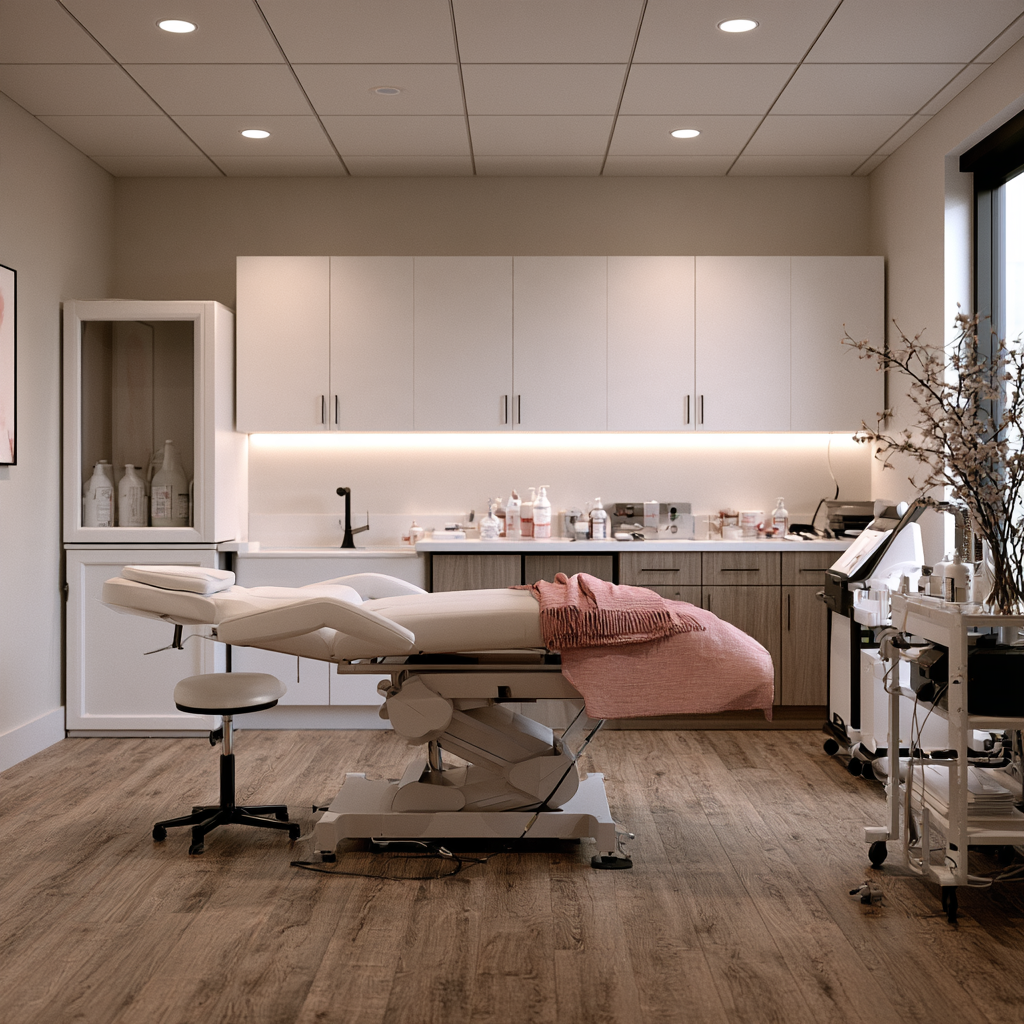
The establishment business license and the individual practitioner's license are separate. The establishment license itself does not create an additional four-hour CE requirement.
For covered individual barbering and cosmetology license renewals, TDLR currently requires:
Frequently Asked Questions
Answers to common questions about mini-establishment licensing, independent salon suites and renewal obligations in Texas.
The initial TDLR application fee is $70. The regular renewal fee is also $70. Other business expenses, including rent and equipment, are separate.
The license is valid for two years from issuance. The license holder must renew it before expiration to continue operating.
Mini-establishment is the current TDLR licensing category that replaced earlier classifications such as mini-salon and mini-barbershop.
A qualifying independently operated enclosed mini-establishment needs appropriate establishment authorization. TDLR allows either the person or entity leasing the room, or the gallery establishment owner, to obtain the mini-establishment license.
A properly licensed esthetician may work within a compliant mini-establishment when the gallery establishment is licensed to accommodate the intended esthetician services and other applicable requirements are satisfied.
Not automatically. Services must be authorized by the gallery establishment's license and within the scope of the individual practitioner's license.
TDLR assigns responsibility for common areas and shared equipment to the gallery establishment owner.
Yes. TDLR requires the mini-establishment license to be displayed inside the mini-establishment.
Establishment licenses are generally not transferable to a new owner or location. However, TDLR provides specific procedures for mini-establishments when gallery ownership or suite location changes. The applicable procedure should be verified before making changes.
The establishment license itself does not have a separate four-hour CE requirement. Individual licensed professionals may have continuing education obligations when renewing their practitioner licenses.
The official process is on the TDLR establishment renewal page.
Stay Licensed • Stay Compliant
A Texas mini-establishment license covers the business location. Individual cosmetologists, estheticians, manicurists and other licensed practitioners must also keep their professional credentials current and complete any required continuing education.
Explore TDLR-Approved CE →Continuing education enrollment is separate from the TDLR mini-establishment business license application or renewal. Licensees should confirm the correct coursework for their individual license category.
Business licensing information: Official TDLR Establishment Requirements