
Texas Shampoo License: Is a Shampoo License Required?
Texas salon workers and owners often search for a shampoo-only license because older references still appear online. The current answer depends on TDLR’s active license structure, not outdated permit language.
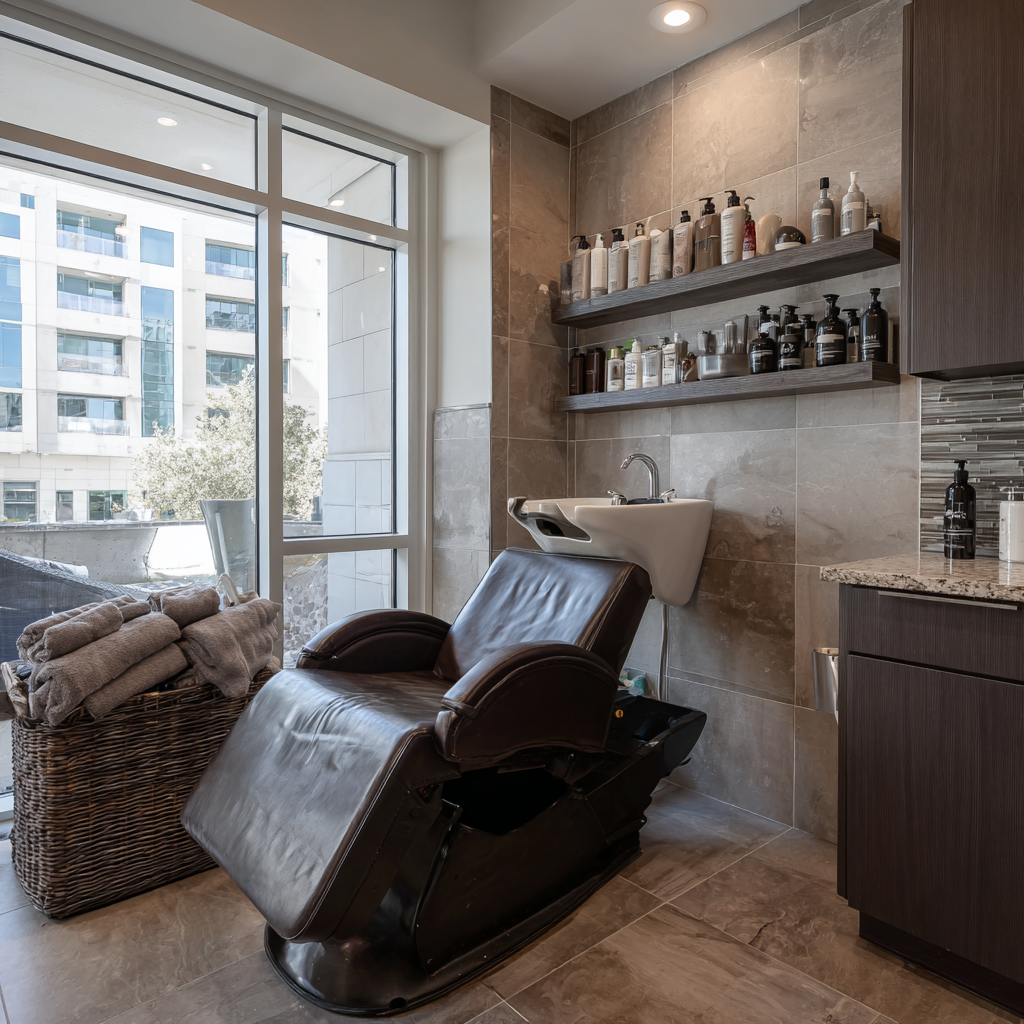
TDLR’s current individual barbering and cosmetology application pages do not list a standalone Texas shampoo license. Workers should verify the correct credential before performing client services in a salon.

Older shampoo permit references can mislead today’s applicants.
Texas barbering and cosmetology regulation has changed over time, and older web pages may still mention shampoo apprentice permits or shampoo-only credentials. A current applicant should not rely on outdated references when deciding whether they can legally work in a salon.
The better starting point is TDLR’s current individual license list. Current categories include broader practitioner credentials such as Cosmetology Operator, Class A Barber, Esthetician, Manicurist, Eyelash Extension Specialist, and Hair Weaving Specialist.
Production note: This article should treat “shampoo license Texas” as a current-status question, not as a how-to application guide for an outdated credential.
| Searcher’s question | Best answer direction |
|---|---|
| Does Texas have a shampoo license? | TDLR does not currently list a standalone shampoo license on its individual application page. |
| Can an assistant shampoo clients? | The salon should verify worker status, scope, and TDLR guidance before assigning services. |
| What license should a future stylist pursue? | A Cosmetology Operator or appropriate barbering/cosmetology credential is usually the more relevant path. |
| Do licensed workers need CE? | Texas practitioner license renewals generally require approved continuing education. |
A shampoo-only search usually points to a broader licensing decision.
Someone who wants to build a long-term career in hair services should look beyond a shampoo-only credential. If the person wants to cut, color, style, chemically treat, or otherwise provide compensated cosmetology services, the appropriate practitioner license matters.
Check the current TDLR license list
Use the current license categories instead of old articles or expired forms.
Clarify the worker’s status
Determine whether the person is licensed, a student, permitted under another status, or unlicensed.
Match services to scope
Salon services should stay within the worker’s lawful credential and current TDLR rules.
Salon owners should treat shampoo work as a licensing and sanitation issue.
Shampooing may feel like a simple support task, but it happens in a regulated salon environment where sanitation, client safety, and license compliance matter. Owners should avoid assigning client-facing work based on assumptions.
Verify credentials
Confirm whether the worker holds a license, is a student, or has another authorized status.
Confirm scope
Match the worker’s tasks to the services allowed under the relevant credential or status.
Maintain sanitation
Keep shampoo bowls, towels, tools, and work areas aligned with salon health and safety expectations.
Document roles
Clear job duties help prevent unlicensed staff from drifting into regulated services.
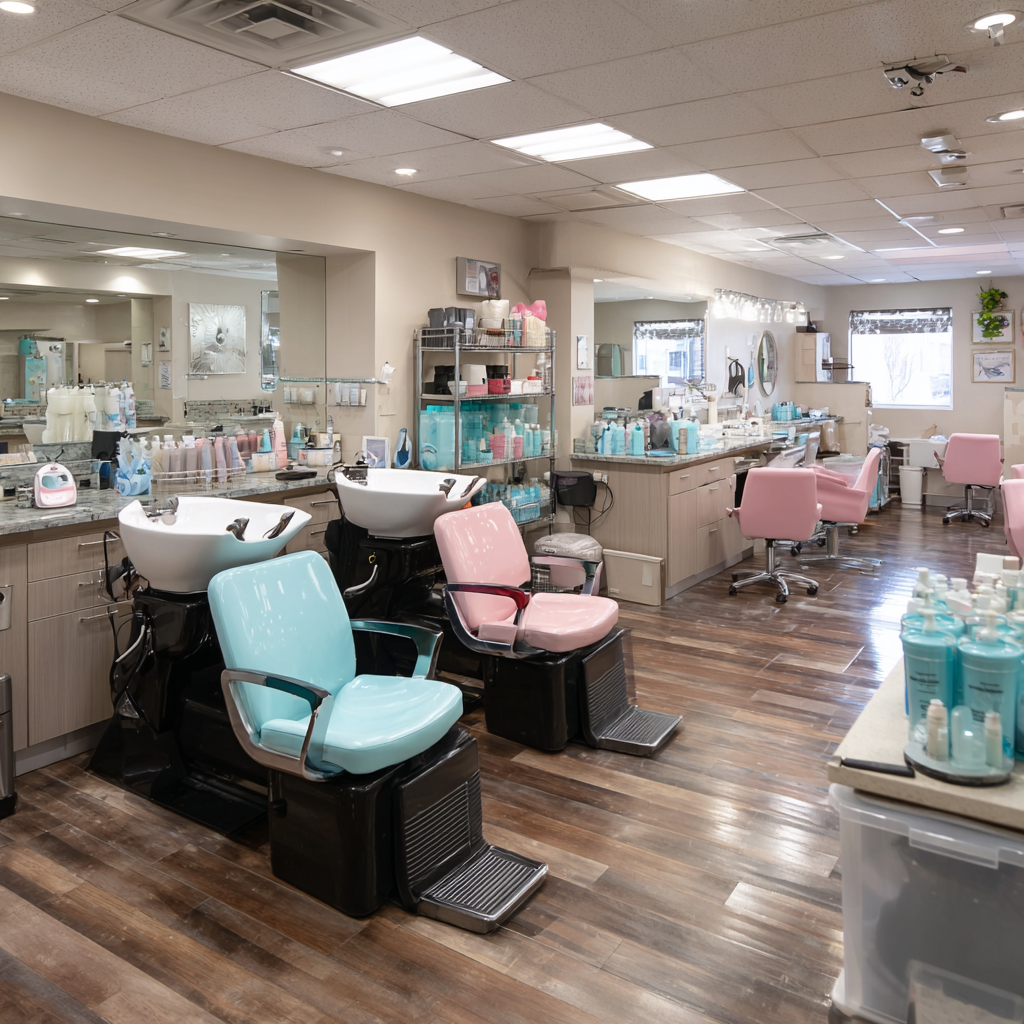
| Worker goal | Recommended next step |
|---|---|
| Only wants to shampoo hair | Confirm current TDLR rules before performing services for compensation. |
| Wants to become a hairstylist | Research the Cosmetology Operator or appropriate barbering/cosmetology license. |
| Already attends cosmetology school | Ask the school how student status applies to salon work. |
| Already holds a practitioner license | Keep the license active and complete required continuing education before renewal. |
Licensed professionals still need to keep renewal requirements in view.
The shampoo-license question usually affects new workers, assistants, and salon owners. Licensed cosmetology professionals have a different priority: keeping the active credential current through renewal requirements.
Texas cosmetology-related practitioners should complete approved continuing education when required for renewal. Texas Cosmetology License Renewals provides an online 4-hour CE course for eligible license holders through TDLR-approved Provider #2501.
Texas shampoo license FAQ
Does Texas currently have a shampoo license?
TDLR’s current individual barbering and cosmetology application pages do not list a standalone shampoo license. Current applicants should use TDLR’s active license categories as the source of truth.
Is a shampoo apprentice permit still available?
Older references may still exist online, but current TDLR application pages should control. Applicants should not rely on outdated shampoo apprentice permit language without confirming directly with TDLR.
Can an unlicensed assistant shampoo hair in a Texas salon?
A salon should verify the person’s status, the service being performed, and current TDLR guidance before allowing an unlicensed person to perform client services.
What license is relevant for someone who wants to become a hairstylist?
A person who wants to provide broader hair or cosmetology services should research the Texas Cosmetology Operator license or the appropriate barbering/cosmetology credential for the services they plan to perform.
Do licensed cosmetology professionals need continuing education?
Texas practitioner renewals generally require approved continuing education. Licensed professionals should review the current renewal requirements for their specific credential.
Need Texas cosmetology continuing education?
Complete a 4-hour online continuing education course from TDLR-approved Provider #2501 and move forward with your Texas cosmetology license renewal.
