
Tanning Salon License in Texas: Requirements & TDLR Rules
A tanning business in Texas is not regulated the same way as a cosmetology salon. Owners should understand the difference between TDLR cosmetology establishment rules, Texas tanning facility requirements, local permits, and separate rules for beauty or medical services offered at the same location.
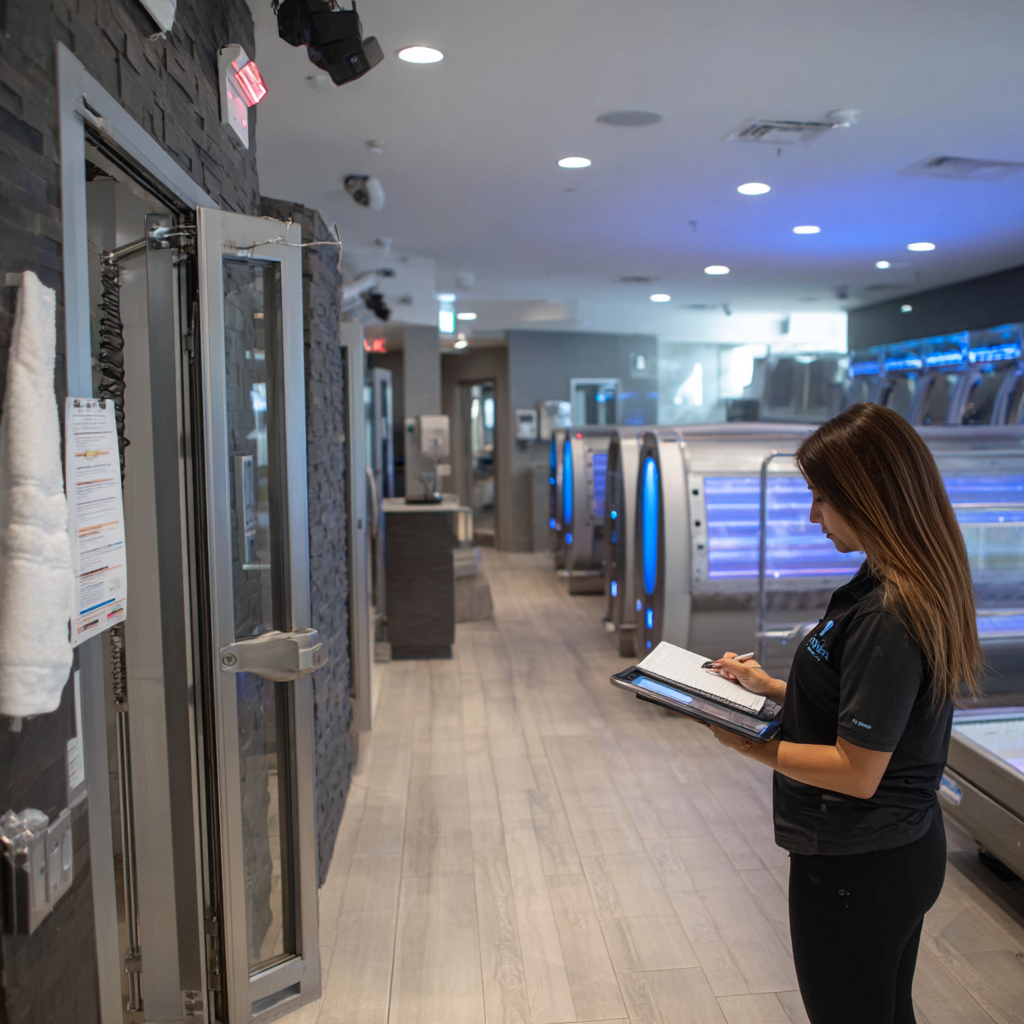
TDLR does not issue a cosmetology establishment license for tanning alone. However, Texas tanning businesses should still follow state tanning facility safety rules, local business requirements, and TDLR rules for any cosmetology, esthetics, hair, nails, or waxing services offered on site.
Who Regulates Tanning Salons in Texas?
Tanning is often grouped with beauty services in everyday conversation, but Texas separates many beauty-adjacent activities by agency and service type. TDLR regulates barbering, cosmetology, esthetics, nails, eyelash extensions, and related establishment categories. Tanning is identified by TDLR as a service regulated outside the barbering and cosmetology program.
That distinction matters for hybrid businesses. A tanning-only facility has a different compliance path than a tanning salon that also offers facials, waxing, hair services, nails, permanent makeup, laser, IPL, massage, or medical services.
| Service | Likely Compliance Category |
|---|---|
| UV tanning bed or booth | Texas tanning facility safety rules and local business requirements |
| Facials, waxing, hair, nails, lashes | TDLR cosmetology or barbering rules may apply |
| Permanent makeup | DSHS rules, not TDLR cosmetology rules |
| Laser or IPL services | Separate DSHS radiation and medical-supervision rules may apply |
Texas Tanning Facility Rules Owners Should Know
Texas tanning rules focus on customer safety, ultraviolet exposure warnings, protective eyewear, sanitation, equipment operation, age restrictions, and recordkeeping. Even when a separate state tanning facility license is not required, owners should treat these operating rules as core business controls.
Written Warnings
Customers should receive required UV exposure warnings before using tanning devices.
Posted Signage
Warning signs should be visible at entry points and near tanning devices.
Protective Eyewear
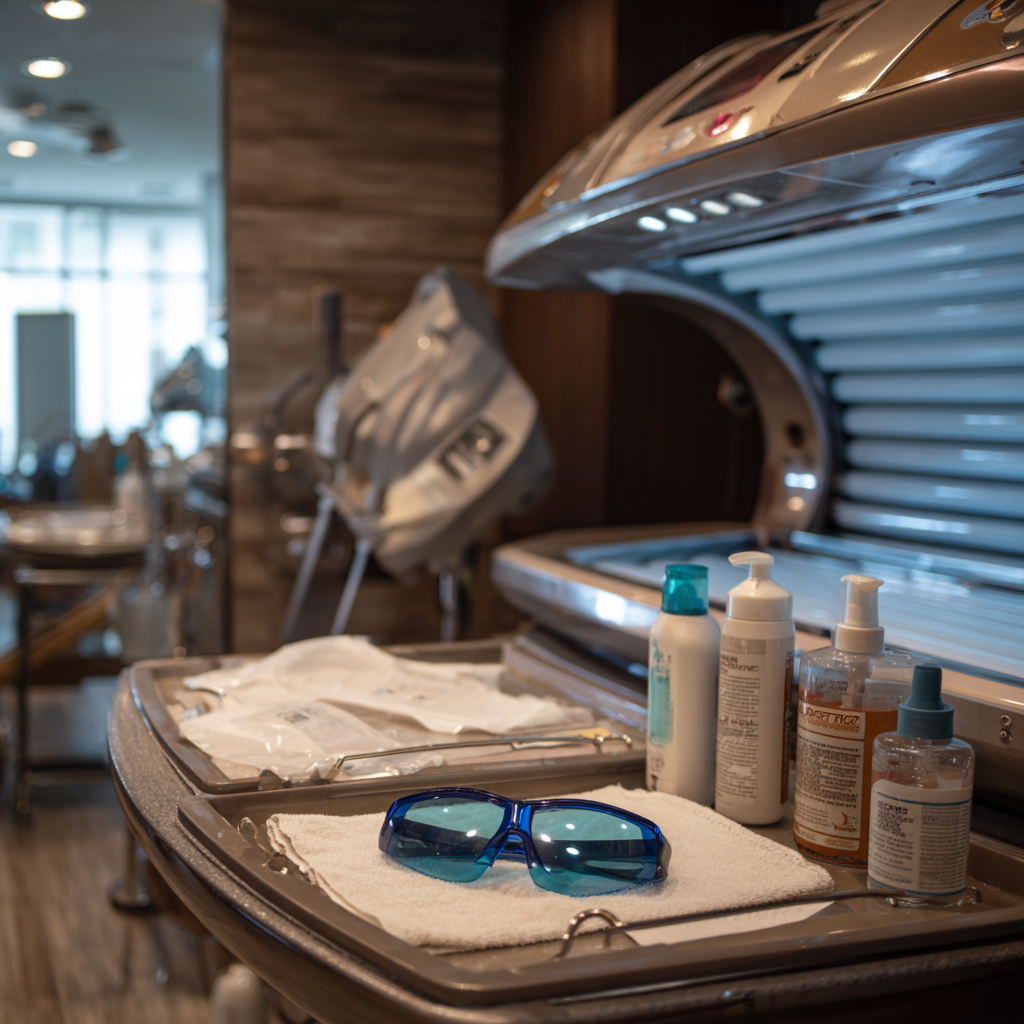
Clean, sanitized, FDA-compliant eyewear should be provided and required.
Age Verification
Texas law prohibits tanning device use by customers younger than 18.
Compliance Checklist for a Texas Tanning Salon
A tanning salon owner should build repeatable compliance procedures before opening. The most efficient approach is to maintain a digital compliance binder with customer forms, warning signage photos, cleaning logs, staff training records, equipment manuals, exposure schedules, and incident documentation.

How to Open or Expand a Texas Tanning Business
The safest path is to map the complete service menu before purchasing equipment, signing a lease, or advertising services. Adding facials, waxing, nails, microblading, laser, or IPL can change which licenses, permits, or professional-supervision rules apply.
Define every service
List UV tanning, spray tanning, red light, facials, waxing, hair, nails, permanent makeup, laser, IPL, and any medical-adjacent service.
Match services to agencies
Identify whether each service falls under TDLR, DSHS, the Texas Medical Board, a local authority, or another regulatory body.
Create compliance procedures
Prepare warning forms, signage, equipment manuals, cleaning procedures, eyewear sanitation, customer records, and incident logs.
Review marketing language
Avoid advertising claims that minimize UV risk or imply tanning is risk-free, medical, or health-promoting without proper review.
FAQ: Tanning Salon License Texas
These answers address the most common licensing and compliance questions Texas tanning salon owners ask before opening or adding tanning services.
Does TDLR license tanning salons in Texas?
TDLR does not issue a cosmetology establishment license for tanning alone. TDLR identifies tanning as a service regulated outside the barbering and cosmetology program.
Does a tanning salon in Texas still need to follow safety rules?
Yes. Texas tanning facility provisions include requirements related to customer warnings, warning signs, protective eyewear, sanitation, operators, timers, records, incidents, and minors.
Can someone under 18 use a tanning bed in Texas?
No. Texas law prohibits a tanning facility from allowing a person younger than 18 years old to use a tanning device.
Does spray tanning require the same compliance process?
Spray tanning is different from UV tanning device use, but owners should still check local business rules, product safety considerations, lease restrictions, and whether other services trigger TDLR or DSHS requirements.
Does a tanning salon need a cosmetology establishment license?
Not for tanning alone. However, if the same location offers TDLR-regulated services such as facials, waxing, hair, nails, barbering, or eyelash extensions, the business may need a TDLR establishment license and licensed professionals.
Are laser or IPL services the same as tanning?
No. Laser and IPL services are separate compliance categories and may involve DSHS radiation rules, registration requirements, and medical-supervision considerations.
Renew Your Texas Cosmetology License Online
Tanning rules are separate from cosmetology licensing, but licensed Texas beauty professionals still need to maintain their eligible TDLR license. Complete your continuing education online with a TDLR-approved provider.
