TDLR Inspection Checklist for Texas Cosmetology Salons
A practical 2026 guide to the licenses, sanitation procedures, product labels, records, equipment and facility standards Texas cosmetology establishments should review before a TDLR inspection.
TDLR Inspections Are a Routine Part of Salon Compliance
Texas cosmetology establishments should treat inspection readiness as an everyday operating standard. TDLR field-inspection data shows substantial inspection activity across full-service salons, mini-establishments, esthetician establishments, nail salons and other licensed locations.
In FY2025, TDLR reported 23,509 barbering and cosmetology establishment inspections, compared with 19,905 in FY2024. Approximately 1,132 inspections were referred to Enforcement.
What a TDLR Inspector May Look For
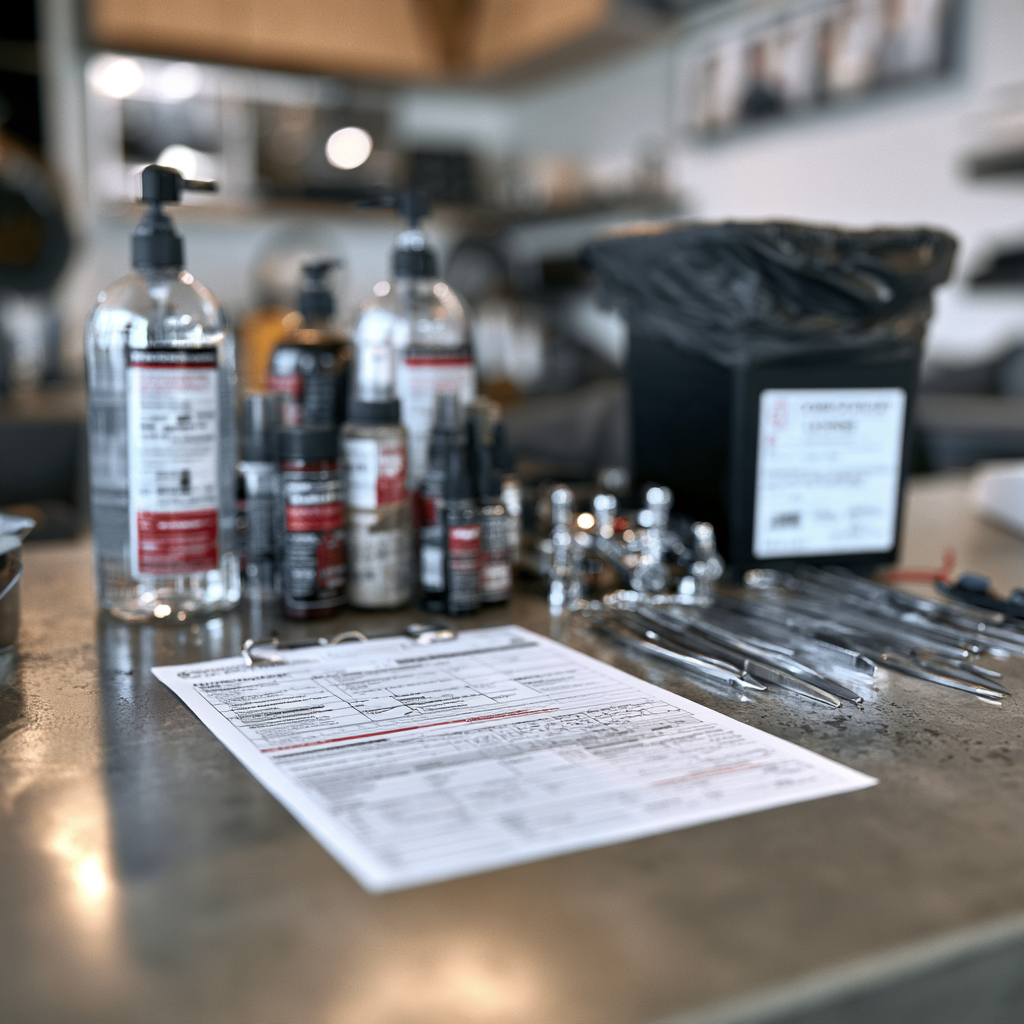
Exact requirements vary by establishment type and services offered, but several compliance areas consistently deserve attention. The goal is to make compliance obvious and repeatable rather than dependent on last-minute preparation.
Licenses & Records
Confirm the establishment license is current, practitioner licenses are active, required displays are present, and records for renters or mini-establishments are accurate.
Sanitation & Disinfection
Reusable implements should be cleaned and disinfected between clients, with clean tools stored separately from soiled implements.
Products & Labels
Secondary containers and professional products should be properly labeled. Unmarked bottles can create an avoidable compliance problem.
Facility Conditions
Floors, fixtures, plumbing and restrooms should be maintained, and chemical supplies should not be stored in restroom areas.
Common FY2025 Issues
TDLR reported thousands of violations involving restroom chemical storage, improperly labeled products and disinfectant that was not prepared fresh as required. These are operational problems that can often be prevented through a simple daily opening checklist.
Small Daily Habits Can Prevent Common Inspection Problems
Some of the most frequent inspection issues do not require complicated legal analysis. They result from everyday operational lapses that can be caught with routine checks.
| Common Issue | FY2025 Violations | Prevention |
|---|---|---|
| Chemicals stored in restroom | 2,468 | Use a dedicated storage location outside restroom areas. |
| Products improperly labeled | 2,197 | Label all secondary containers and professional products. |
| Disinfectant not prepared fresh | 1,536 | Assign daily disinfectant preparation and replacement responsibility. |
What Happens If TDLR Finds a Deficiency?
After an inspection, findings are reviewed with the owner, manager or establishment representative. Minor issues may be corrected quickly, while more serious violations can move into the enforcement process.
Review the inspection report
The establishment representative receives the inspection findings and should identify every item requiring correction.
Correct deficiencies promptly
TDLR guidance states that explained deficiencies generally must be corrected within 10 days.
Document the correction
Maintain records, photographs or other documentation supporting the corrective action when appropriate.
Prevent recurrence
Convert the problem into a recurring opening, closing or weekly checklist item so the same deficiency does not reappear.
TDLR Inspection FAQ
How often does TDLR inspect cosmetology salons?
Does the salon owner have to be present?
Can TDLR inspect individual cosmetologists too?
How long does a salon have to fix deficiencies?
Can a TDLR inspection be virtual?
What are some easy violations to prevent?
Complete Your Required Cosmetology Continuing Education Online
Eligible Texas cosmetology professionals can complete required continuing education through TDLR-approved Provider #2501 with a convenient online course built for license renewal.
Enroll Now