
TDLR Inspections for Texas Cosmetology Salons: 2026 Checklist & Common Violations
TDLR inspections help ensure Texas cosmetology salons, nail salons, esthetician establishments, salon suites, and other licensed beauty businesses comply with state licensing, sanitation, equipment, recordkeeping, and facility requirements. For Texas salon owners, inspection readiness should be part of everyday operations rather than a last-minute cleanup.
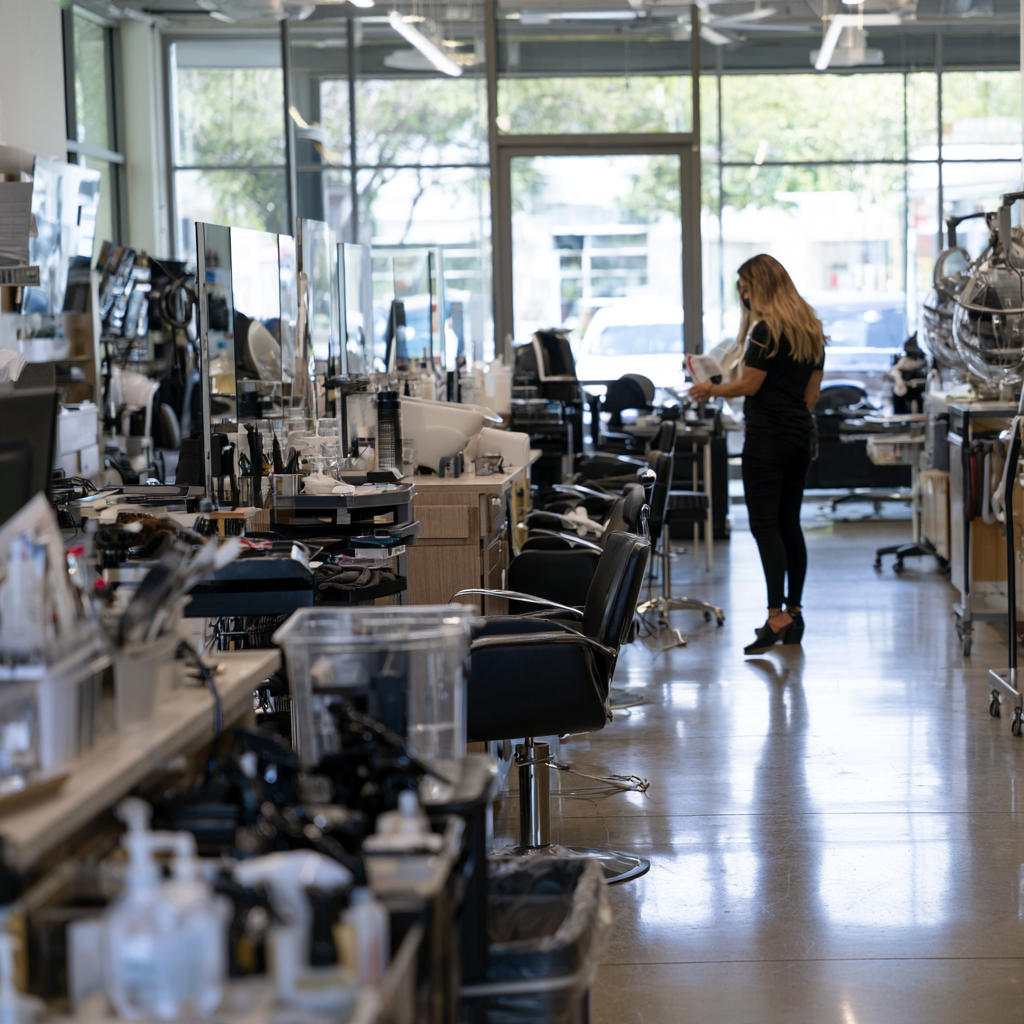
What TDLR Inspectors May Review in a Texas Salon
Inspection readiness should be treated as an operating system rather than a one-day cleanup. The establishment should be able to demonstrate that licenses, sanitation procedures, facility conditions, and documentation are maintained during normal business operations.
TDLR's Barbering and Cosmetology Inspections Guide explains that inspectors can review the facility, required records, equipment, and regulatory postings. If the owner or manager is unavailable, the inspection may continue with the person in charge representing the establishment.
Source: Texas Department of Licensing and Regulation — Inspections Guide
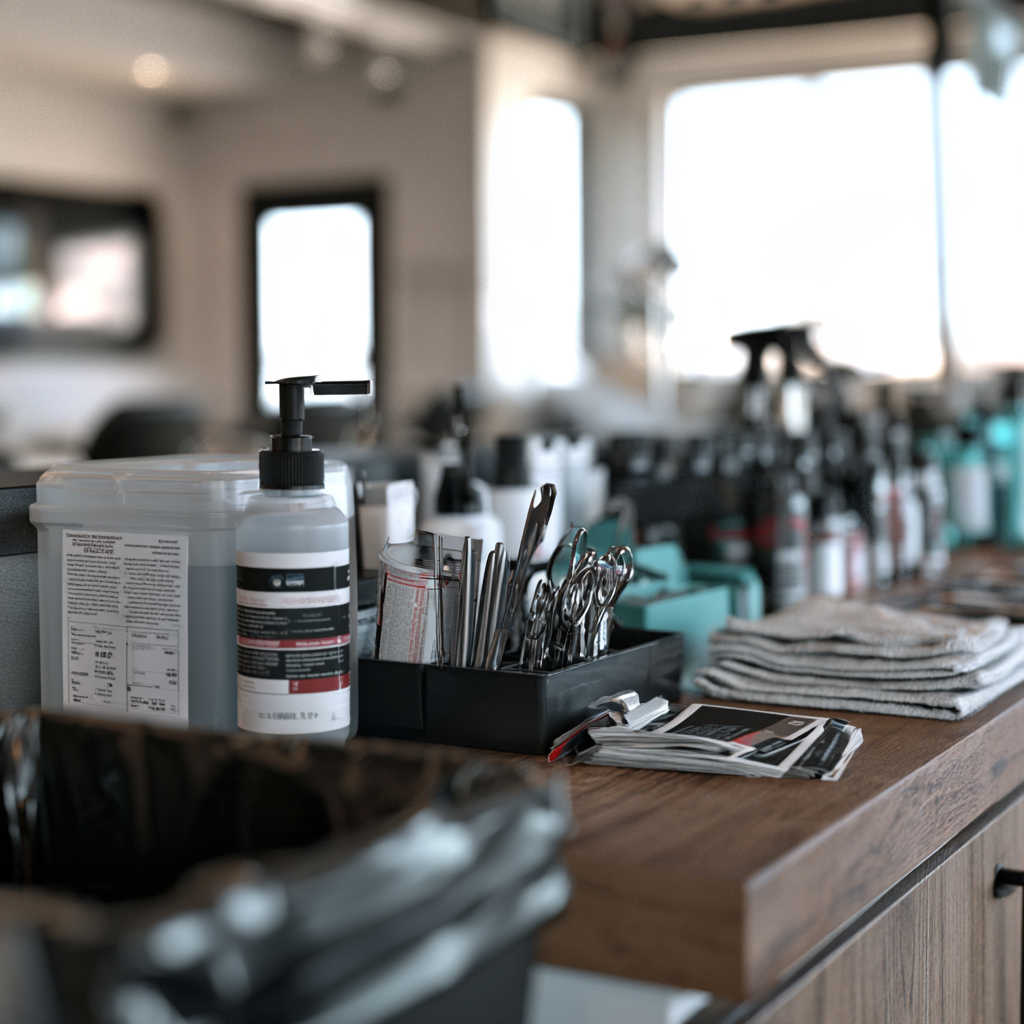
Daily Inspection-Readiness Routine
Clean and disinfect tools, separate clean and soiled implements, prepare fresh disinfectant as required, verify licenses, review renter records, and correct damaged or unclean facility surfaces.
Frequent Problems That Can Create TDLR Inspection Findings
Many common inspection issues are ordinary housekeeping, sanitation, or documentation failures. That makes them preventable when a salon uses a written compliance routine and trains every person responsible for the workspace.
Unclean or Damaged Facility
Floors, walls, ceilings, furniture, shelves, and fixtures should remain clean and in good repair.
Restroom Problems
The required restroom should remain accessible and compliant, without improper chemical storage.
Missing Renter Records
Independent contractor and mini-establishment information should remain current and available.
Disinfectant Issues
Disinfectant should be prepared and maintained according to applicable requirements.
Improper Tool Storage
Clean, disinfected implements should remain separated from dirty tools and unrelated items.
Missing Notices
Required public information and inspection-related notices should remain conspicuously displayed.
License Display Problems
Current licenses and required practitioner identification should be displayed correctly.
Product Labeling Issues
Products and chemicals should be labeled and stored according to applicable requirements.
Source: TDLR — Most Common Barbering and Cosmetology Establishment Violations
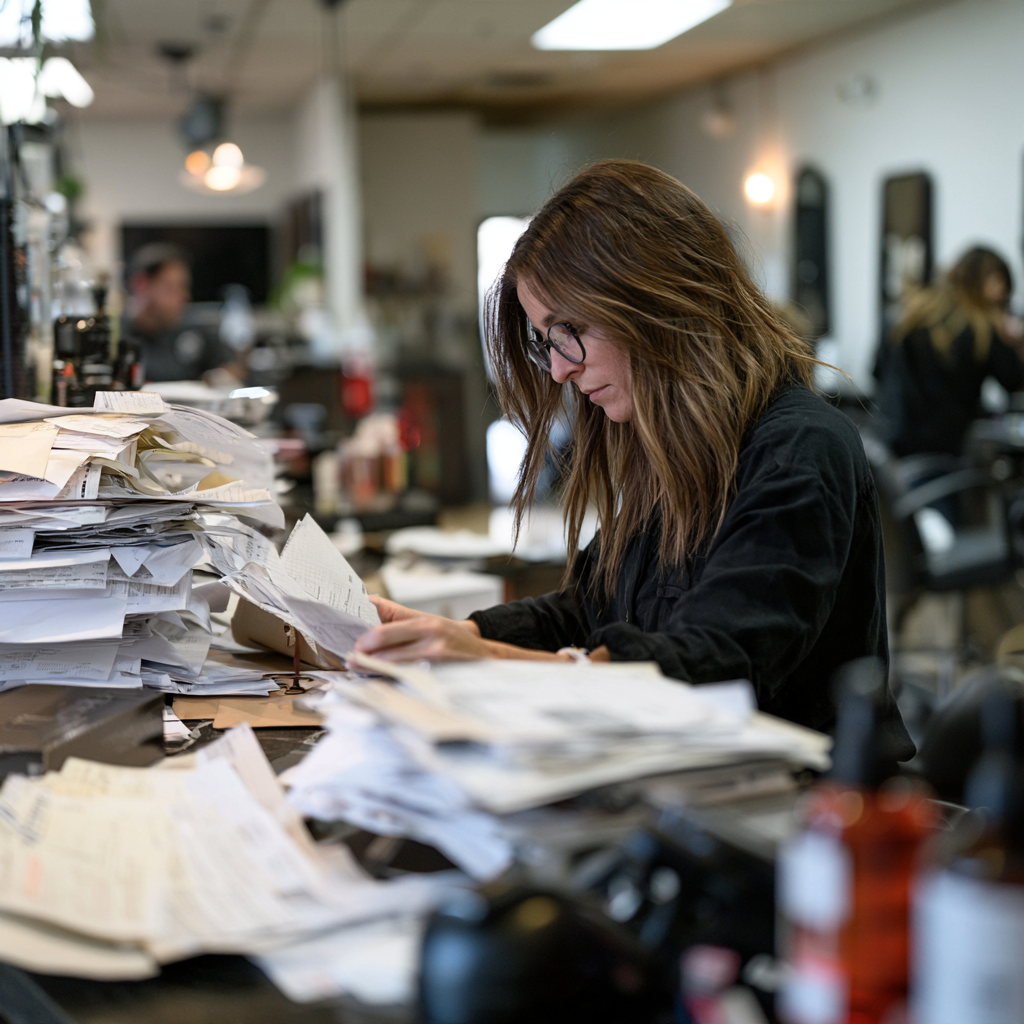
Documentation Matters as Much as Appearance
A salon can look clean and still have compliance problems if licenses, renter records, cleaning records, or required notices are missing or outdated.